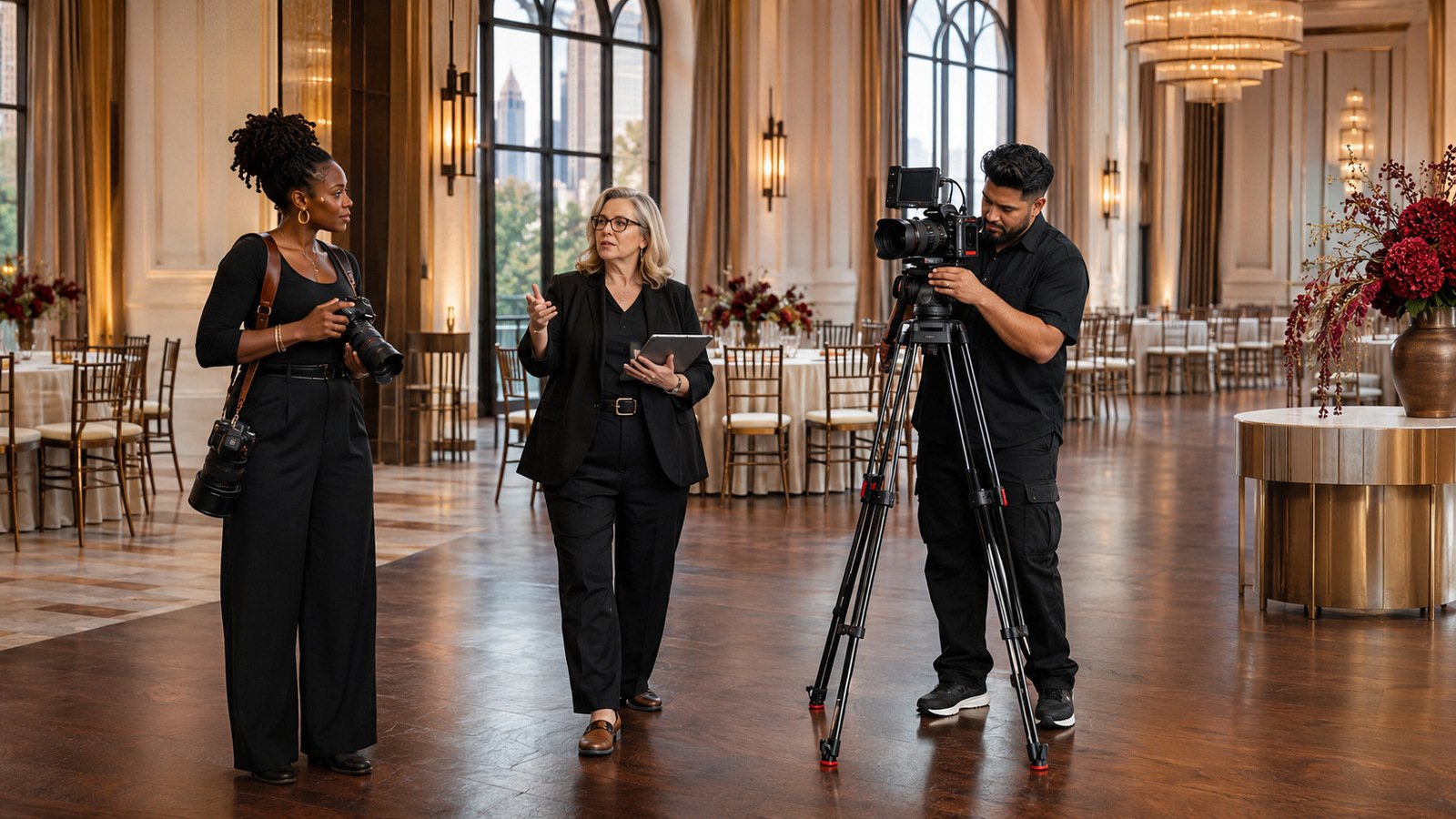
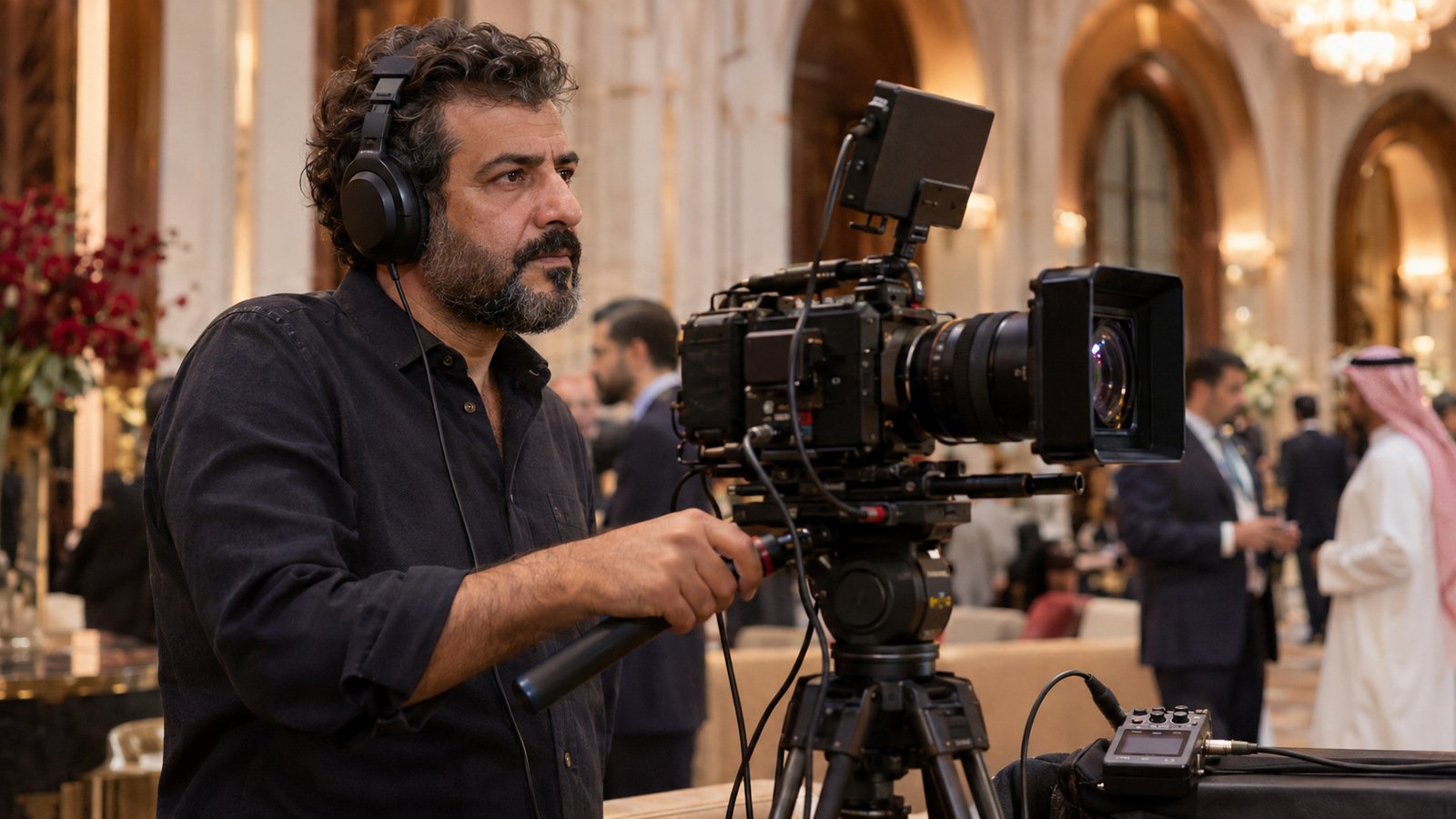
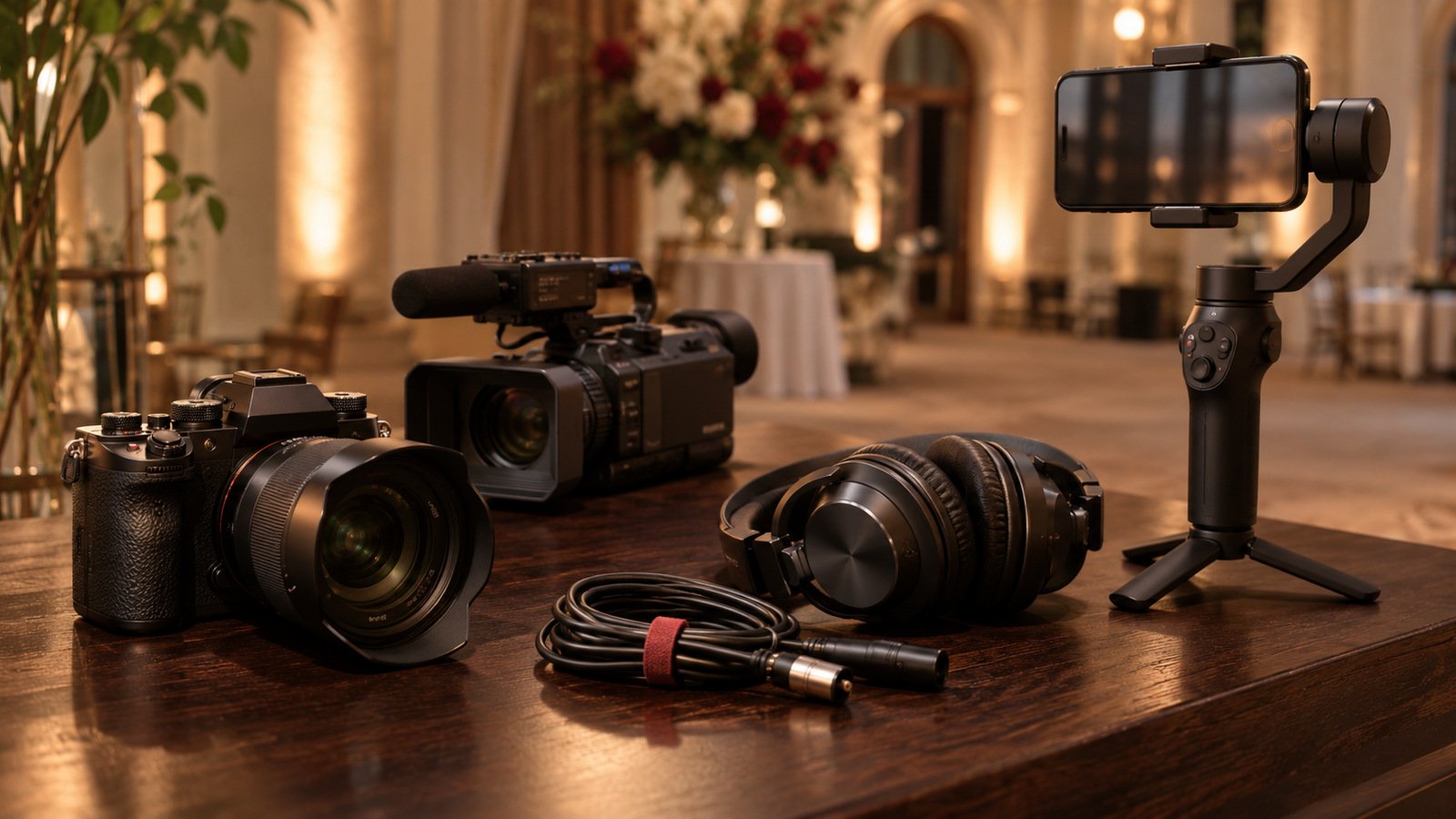
The Event Content Brief
A free working guide · Request your copy

The Event Content Brief

A working plan for the room, the message and everything after.

Atlanta + the SoutheastPhoto · Film · BTS MobileScroll to explore
A free working guide

Make the next planning conversation more useful.

A working plan for the room, the message and everything after.

This is a working resource, built to help you make decisions and record what matters. Use it with your organizer, communications team or production contact before the event gets busy.

Editorial event coverage by The Portrait Dept
From intention to decisions

A better brief begins with a few better questions.

The most useful content decision happens before choosing a coverage package. Name what your team must communicate after the event, who needs to see it and when. An acknowledgment email, a full speaker recording and a next-event invitation are different jobs. Give the primary job a clear sentence so the production conversation has a center.

The guide helps turn the answers into a short plan your team can actually use. The chapter preview below shows the ground it covers; request your copy to work through the complete pages.

A practical route through the decisions

Inside the working guide.

A chapter preview. Request the complete guide through the form below to use its prompts, checklists and worksheets.

Working page 1

01 / Start with what happens next

The most useful content decision happens before choosing a coverage package. Name what your team must communicate after the event, who needs to see it and when. An acknowledgment email, a full speaker recording and a next-event invitation are different jobs. Give the primary job a…

Working page 2

02 / Map people, purpose and proof

A useful library shows who gathered, why the event mattered and what happened in the room. Translate those ideas into visible moments. A welcome can show connection; a recognition can show contribution; a stage and audience sequence can connect the message to participation. Choose details that…

Working page 3

03 / Give every format a job

Photography provides people, details, key moments and room context. Professional video can tell an edited story or preserve a complete address when that is scoped. BTS Mobile can supply vertical moments and social energy. Write the job beside each requested format so the coverage does not…

Working page 4

04 / Put priorities on the run of show

Coverage hours should contain the chapters you actually need. If room details must be made before doors open or a host portrait happens after the program, include those windows in the discussion. Core coverage uses consecutive hours with a two-hour minimum. Share the complete sequence, including…

Working page 5

05 / Confirm access and guest care

A considered brief gives the crew a practical route into the event. Confirm credentials, load-in, parking, equipment movement, room restrictions and venue contacts. For a recorded program, identify the audio lead and arrange the technical conversation in advance. The final room layout should inform camera positions,…

Working page 6

06 / Design the handoff

A delivery is useful when the right person knows what arrived and what to do next. Give previews, full galleries, mobile assets and films separate deadlines and reviewers. The Portrait Dept confirms dates in the proposal. If an early announcement needs selects, name that requirement now…

Working page 7

07 / Bring a clear brief to the call

Review the previous pages and circle the unresolved decisions that could change coverage. The discovery call should connect your event, audience, next use, budget range and deadlines. Bring the agenda, space information and priority list, even if some details are still developing. Clear unknowns are more…
Use it before the event

Put the guide to work with your team.

One person can complete a first pass. The most useful decisions often come from comparing it with the people who will use the content.

01

Name the purpose

Write the next use in one sentence before collecting a long shot list.

02

Choose the priorities

Separate moments that only happen once from flexible portraits and details.

03

Assign the handoff

Name the receiving person, deadline and approval route.

04

Bring it to the call

Use the completed guide to make the coverage conversation more specific.

2026–2027

Your next event deserves a useful first page.

Request The Event Content Brief and put the planning questions in one place.

  • A practical structure for the event brief.
  • Questions that make scope and priorities easier to discuss.
  • Space to turn the answers into next actions.

Your copy is available after you request it with your name and email.

Editorial event coverage by The Portrait Dept
The next step · Authority Kit

Use the brief to choose the right coverage.

Once the priorities are clear, we can help shape the plan. The next step is a conversation about your room, run of show and intended uses.

You do not have to arrive knowing every production term. Bring the purpose, the people and the guide; we will work through the coverage choices together.

Good to know

A few questions before you request it.

A practical resource should make the next decision easier.

Who is this guide for?

Event planners, communications teams, executive hosts and nonprofit organizers

Do I need to book to use the guide?

No. The guide is a free planning resource. Request it with your name and email, then use it to prepare for your event or a future conversation.

Does the guide replace a proposal?

No. Your event’s coverage, deliverables, timing, usage and commercial terms are defined in a signed proposal.

Can we work through it as a team?

Yes. Use the prompts with the organizer and the people who will receive the content. Keep a current version with your run of show.

Editorial event coverage by The Portrait Dept
Your next event starts here

Bring a more useful brief to the room.

Tell us what you are bringing together. We will help turn the occasion into a clear coverage plan and a useful next chapter.

Find your next step

What are you planning?

Search coverage, collections, resources and field notes.