The Keynote Capture Planner
A free working guide · Request your copy

The Keynote Capture Planner

Decide what the next audience needs to hear, then plan the recording.

Atlanta + the SoutheastPhoto · Film · BTS MobileScroll to explore
A free working guide

Make the next planning conversation more useful.

Decide what the next audience needs to hear, then plan the recording.

This is a working resource, built to help you make decisions and record what matters. Use it with your organizer, communications team or production contact before the event gets busy.

A better brief begins with a few better questions.
From intention to decisions

A better brief begins with a few better questions.

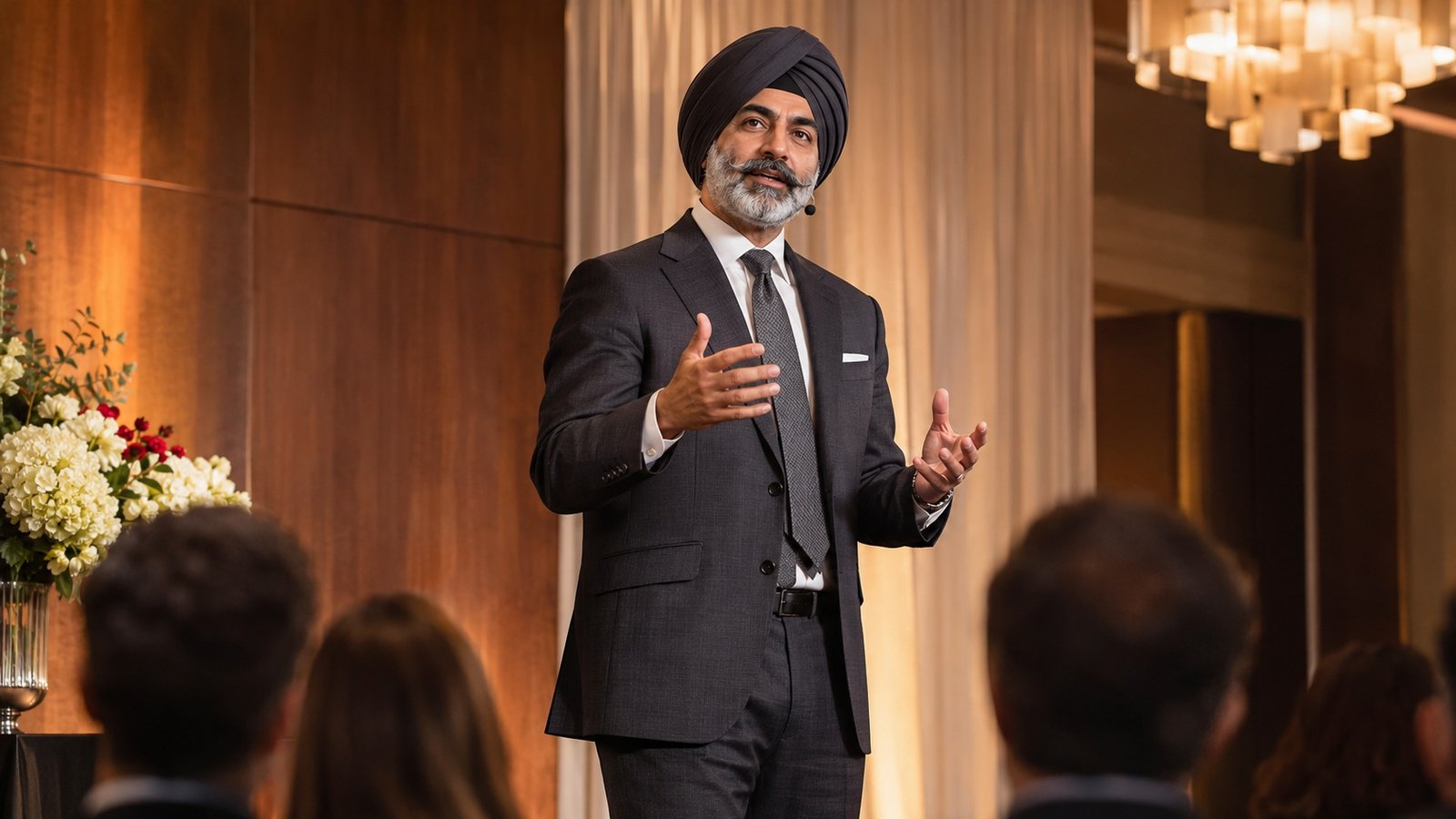
Start with the person who will watch after the event. Do they need the complete argument, a concise introduction to the message or the feeling of the gathering? A full keynote recording and a highlight film serve different viewing needs. Name the essential job first, then decide whether a second edit has its own audience and purpose.

The guide helps turn the answers into a short plan your team can actually use. The chapter preview below shows the ground it covers; request your copy to work through the complete pages.

A practical route through the decisions

Inside the working guide.

A chapter preview. Request the complete guide through the form below to use its prompts, checklists and worksheets.

Working page 1

01 / Choose the viewing job

Start with the person who will watch after the event. Do they need the complete argument, a concise introduction to the message or the feeling of the gathering? A full keynote recording and a highlight film serve different viewing needs. Name the essential job first, then…
Working page 2

02 / Define the recording boundaries

A keynote may include an introduction, the main address, audience questions and a closing acknowledgment. Decide which parts belong in the complete recording. Record the expected duration and the scheduled window for each part. If several speakers or addresses are involved, list them separately so the…

Working page 3

03 / Connect the audio conversation

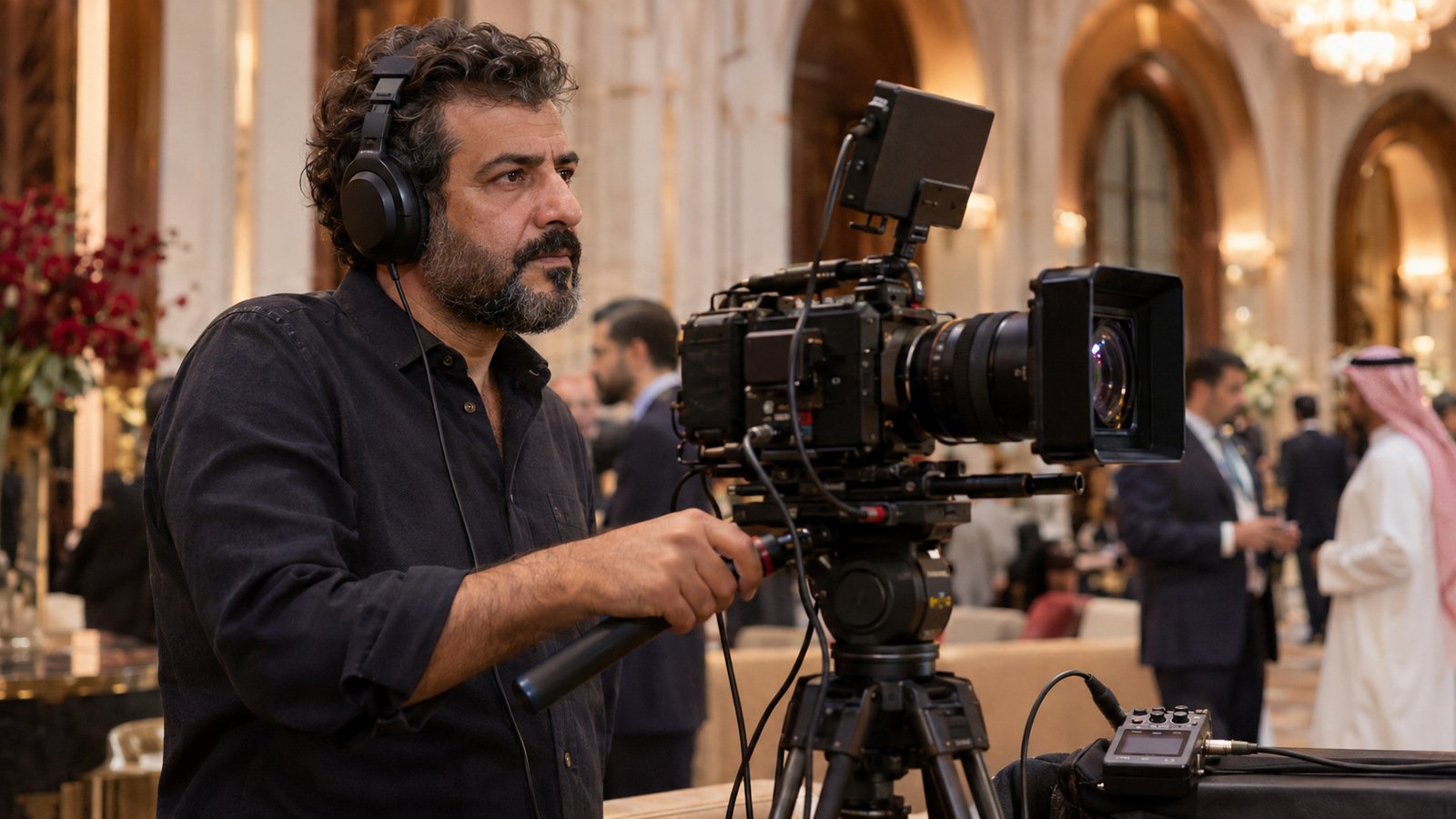
The sound plan deserves its own named contact. Ask the venue or event producer who manages microphones, mixing and recording-feed access for your specific event. Introduce that person to the filmmaker early enough to confirm the requirements. Do not treat the presence of a microphone in…

Working page 4

04 / Map stage, cameras and audience

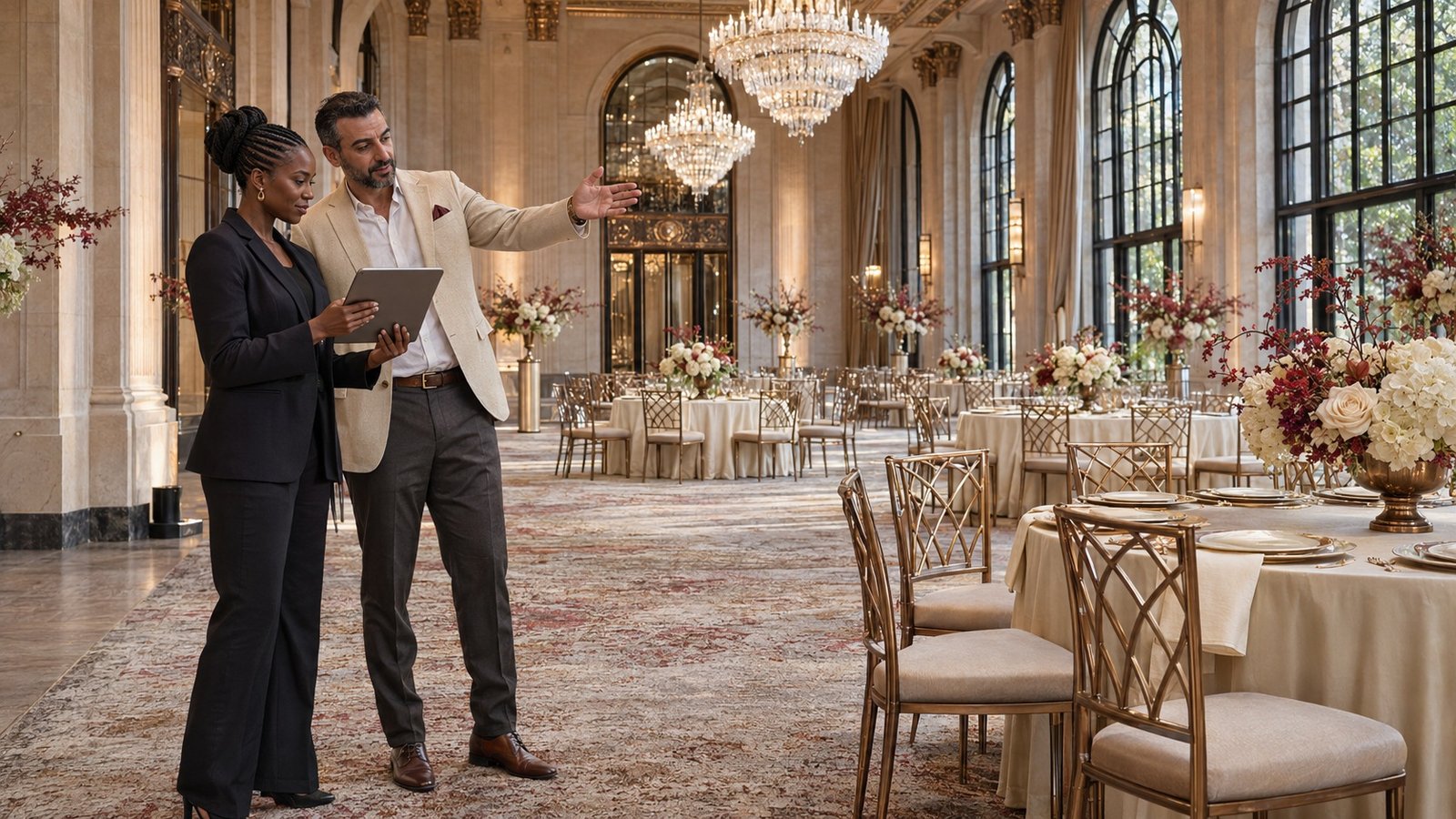
Use the final floor plan to discuss camera positions and sightlines. Mark the lectern, stage, screens, seating and guest circulation. A position that looks clear on an early drawing may change when tables, décor or production equipment arrive. Confirm what the crew can access and who…

Working page 5

05 / Give the edit a clear destination

A complete address may need different handling from an event recap or short excerpt. List the intended viewing destinations and ask which versions should be scoped. Discuss film length, aspect ratios, titles, captions or other requested presentation elements with the production team. Name the actual need…

Working page 6

06 / Prepare speakers and permissions

Give speakers a clear description of what is being recorded and how the organizer intends to use it. The organizer should confirm the relevant permissions and any review expectations through its established process. Identify confidential material, third-party presentation elements or audience participation that needs additional discussion…

Working page 7

07 / Confirm the complete production brief

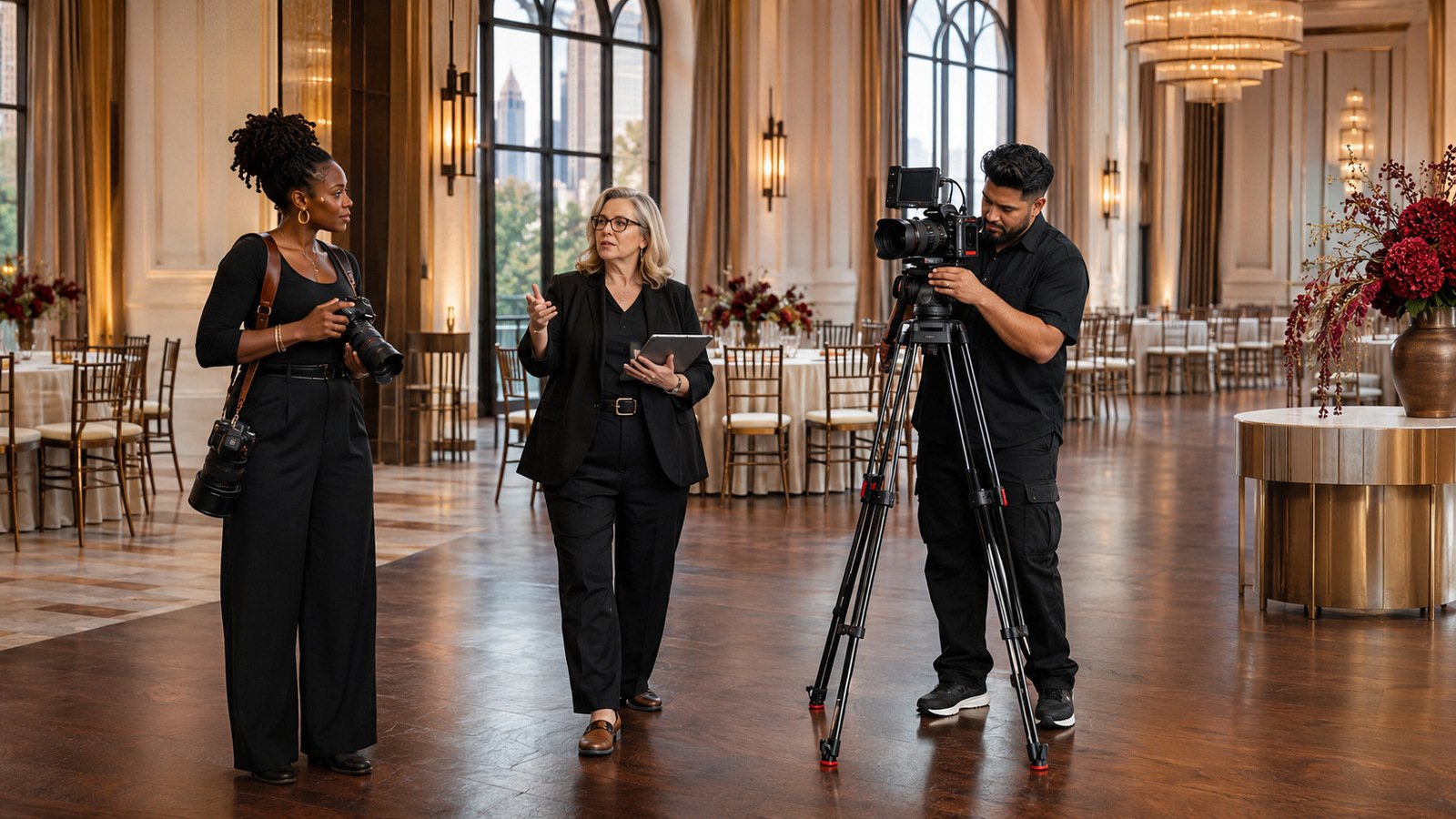
Gather the audience goal, program boundaries, audio contact, floor plan, review owner and deadlines into one current brief. The Portrait Dept can use it to discuss the coverage needed for a continuous address and any related story edit. Share the budget range and unresolved timing questions…

Use it before the event

Put the guide to work with your team.

One person can complete a first pass. The most useful decisions often come from comparing it with the people who will use the content.

01

Name the purpose

Write the next use in one sentence before collecting a long shot list.

02

Choose the priorities

Separate moments that only happen once from flexible portraits and details.

03

Assign the handoff

Name the receiving person, deadline and approval route.

04

Bring it to the call

Use the completed guide to make the coverage conversation more specific.

2026–2027

Your next event deserves a useful first page.

Request The Keynote Capture Planner and put the planning questions in one place.

  • A practical structure for the event brief.
  • Questions that make scope and priorities easier to discuss.
  • Space to turn the answers into next actions.

Your copy is available after you request it with your name and email.

Use the brief to choose the right coverage.
The next step · Authority Kit

Use the brief to choose the right coverage.

Once the priorities are clear, we can help shape the plan. The next step is a conversation about your room, run of show and intended uses.

You do not have to arrive knowing every production term. Bring the purpose, the people and the guide; we will work through the coverage choices together.

Good to know

A few questions before you request it.

A practical resource should make the next decision easier.

Who is this guide for?

Program producers, executive teams, speaker coordinators and communications leads

Do I need to book to use the guide?

No. The guide is a free planning resource. Request it with your name and email, then use it to prepare for your event or a future conversation.

Does the guide replace a proposal?

No. Your event’s coverage, deliverables, timing, usage and commercial terms are defined in a signed proposal.

Can we work through it as a team?

Yes. Use the prompts with the organizer and the people who will receive the content. Keep a current version with your run of show.

Editorial event coverage by The Portrait Dept
Your next event starts here

Bring a more useful brief to the room.

Tell us what you are bringing together. We will help turn the occasion into a clear coverage plan and a useful next chapter.

Find your next step

What are you planning?

Search coverage, collections, resources and field notes.