Start with the space you actually booked
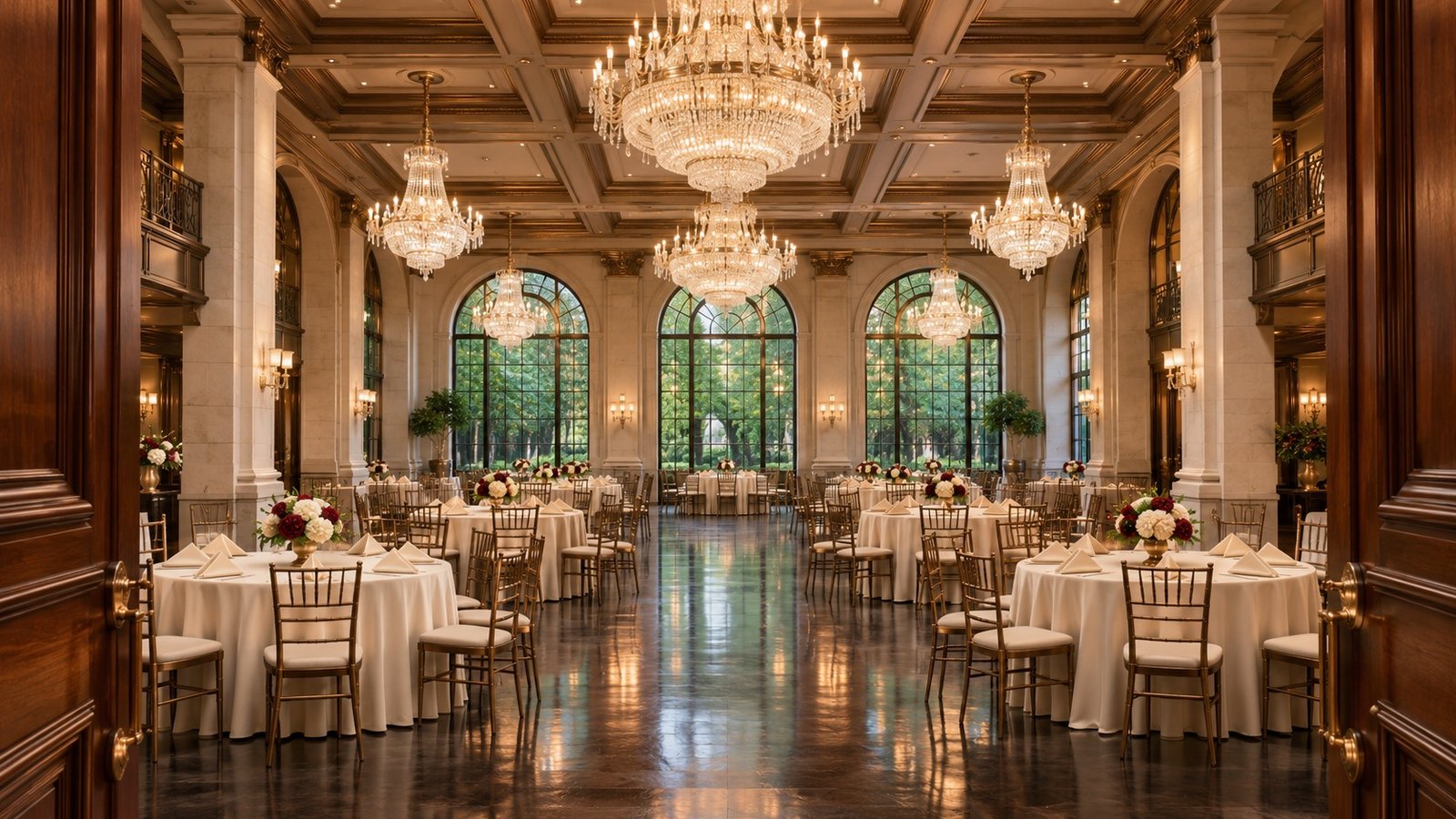
Atlanta History Center's official private-events pages describe indoor and outdoor settings, including gardens, a ballroom, terraces and museum spaces. The Buckhead page also identifies Grand Overlook, Atlanta History Museum and McElreath Hall among its options. That variety is the first content-planning consideration: an event described only by the institution's name still leaves the crew without the room, route and access details it needs.
This is independent planning guidance from The Portrait Dept, based on the venue's public information. It does not describe a commissioned event or imply a venue relationship. Use it to prepare questions for your organizer and venue contact. Confirm the booked spaces, current rules and event-specific arrangements directly with them before treating any production idea as an approved plan.
Give the event a visual sequence
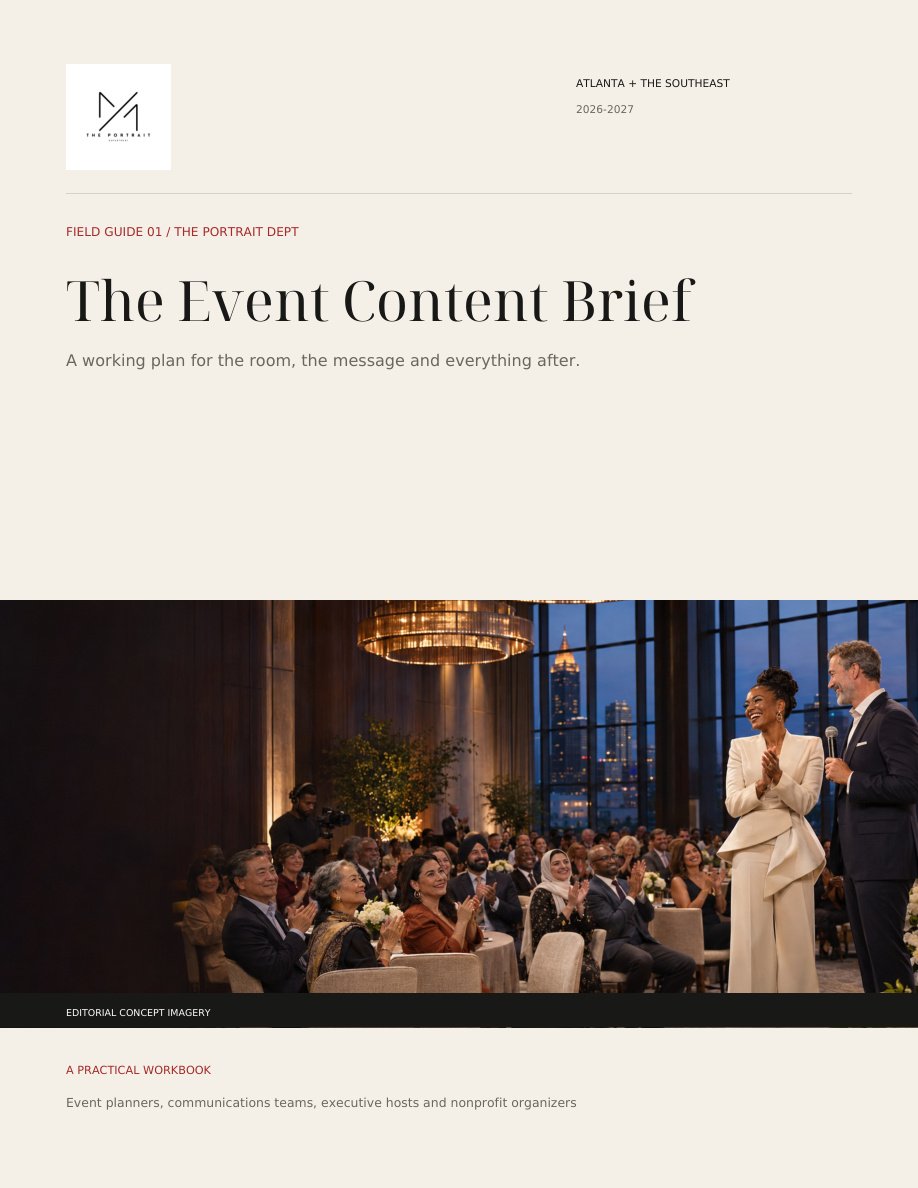
For an event moving between a welcome area, a program and a reception, think in chapters. What should the next viewer understand about arriving, participating and leaving with a message? Choose a few images that establish the setting, then give most of the brief to people and purpose. A distinctive location should help explain the gathering without becoming the only story the coverage tells.
Ask for a floor plan that marks the actual guest route. Identify the host greeting, sponsor placement, stage and any planned group portrait. If activities occur in different settings, note when each becomes available and how long the transitions take within your run of show. Those decisions help determine which moments can share coverage and which need separate attention.
Plan indoor and outdoor transitions
An event with outdoor elements needs a clear alternative if the organizer changes the plan. Share the intended setting and the decision contact, then update the crew when the location is confirmed. Build the content priorities so the essential people and message remain possible in the alternate arrangement. The important question is what the event must communicate, even if a preferred backdrop changes.
Consider the timing of any directed portrait. If a host, speaker or honoree has a brief availability window, choose a location and a backup that work with the actual schedule. Confirm access rather than assuming an attractive area is included in the booking. Ask the venue contact which routes and positions are appropriate for the production team during guest-facing moments.
Preserve the message with an audio plan
If the event includes a keynote, decide whether a later audience needs the complete address or an edited film. A highlight-film package does not automatically include a full recording. Identify the program location, speaker timing and technical contact. The production conversation should confirm sound access and camera positions against the final layout, including any presentation screens or planned audience movement.
Protect that address window in the shared brief. A crew member assigned to preserve the full message should not also be expected to leave for a separate portrait or partner activation at the same time. Flag concurrent priorities early. The Portrait Dept can recommend coverage around the actual schedule, with crew and deliverables confirmed in the proposal rather than inferred from the venue name.
Capture partners and people with intention
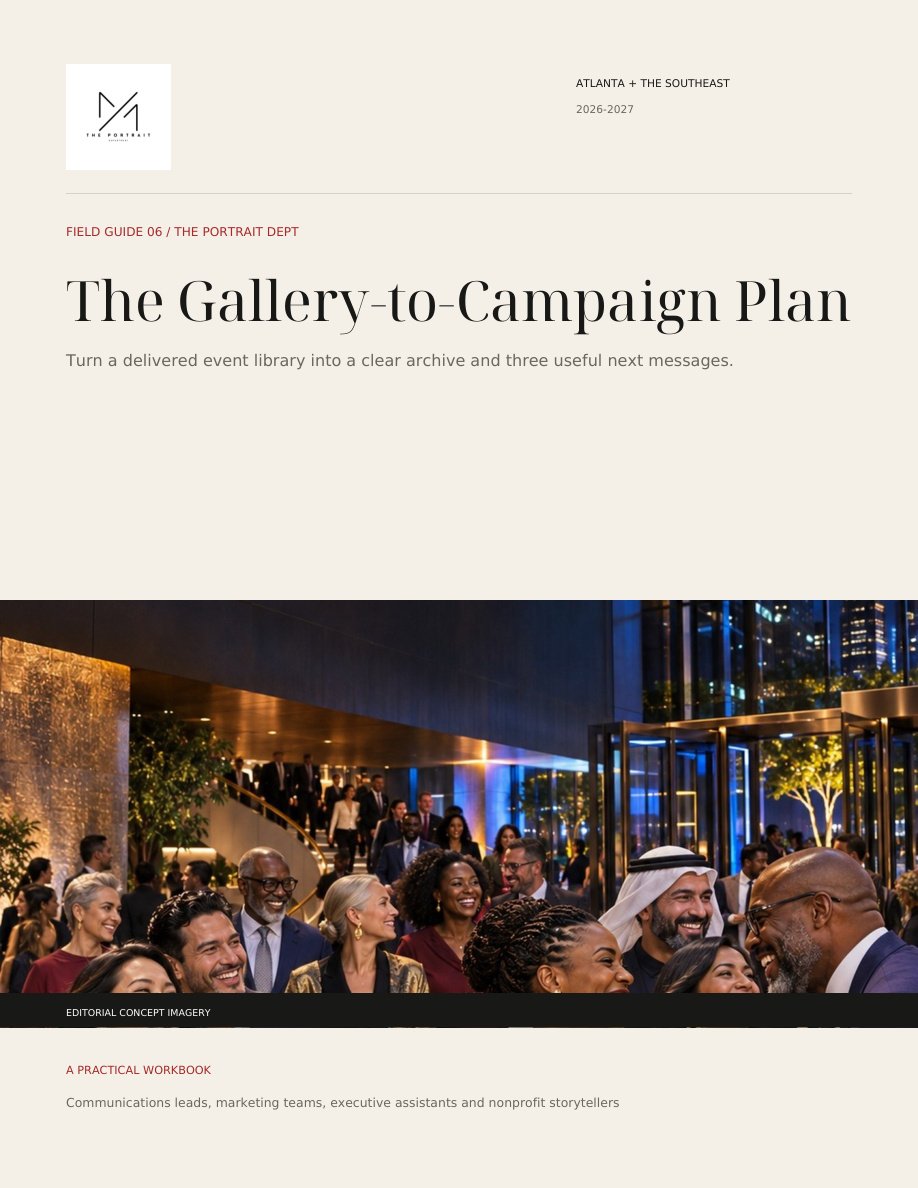
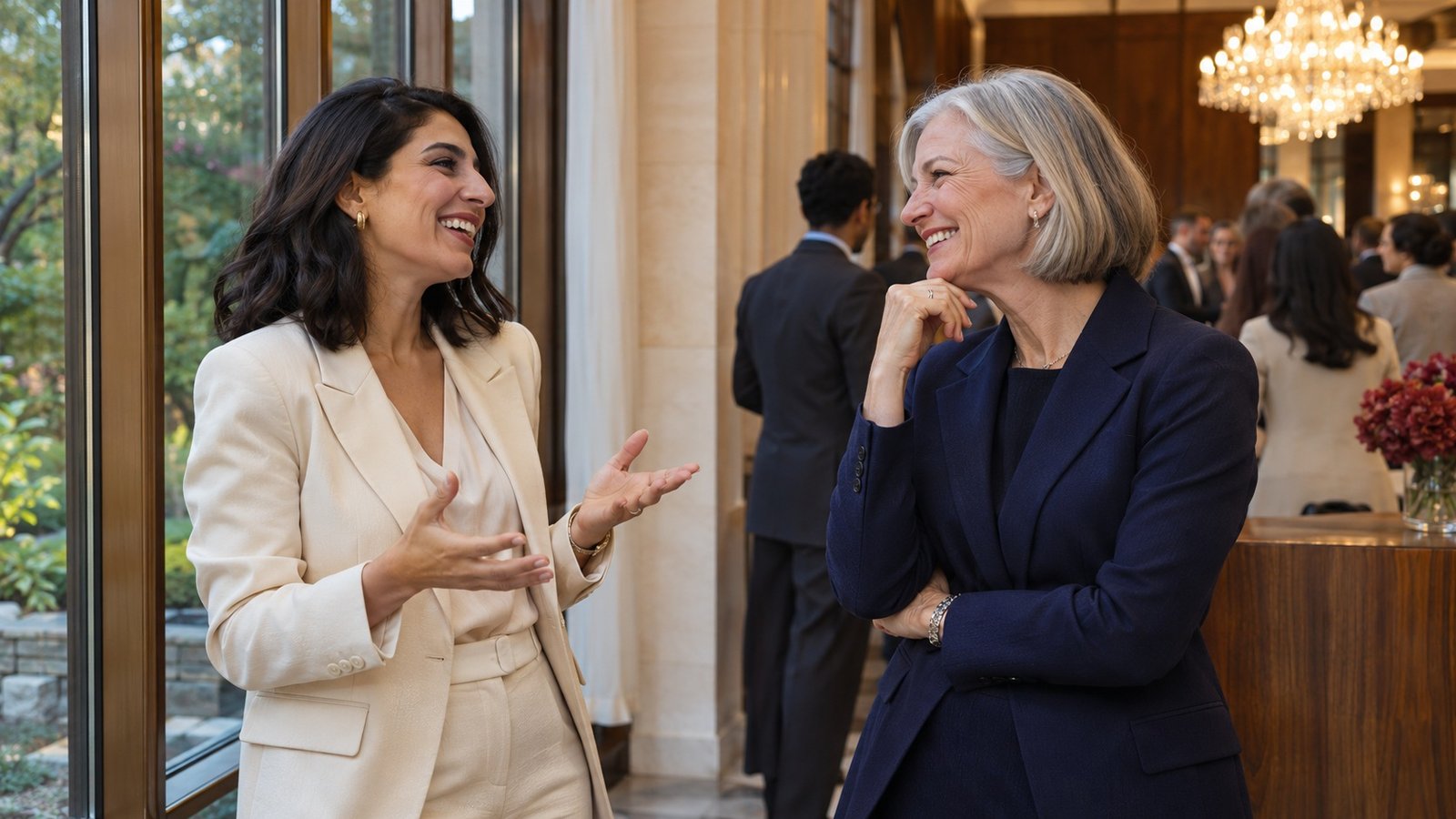
The location can establish the atmosphere, while the people show why the event happened. List the priority guests, recognition moments and sponsor commitments. Where access allows, plan room and brand details before arrivals. During the event, look for real participation: greetings, attentive listening, a meaningful exchange or a reaction to recognition. Give those moments room in the brief alongside the formal program.
Share privacy needs, no-photo preferences and restrictions before the day. If the event uses public-facing or shared areas, ask the venue and organizer how guest boundaries should be handled. A named contact can help the team resolve questions without interrupting the host. Do not assume that permission to hold an event automatically answers every question about where or how to make content.
Leave with a useful after-plan
Name the first three uses before capture: an event recap, a speaker or partner acknowledgment, and the next invitation or update. Confirm which selections need to arrive first and who approves them. The guide treats delivery dates as proposal-specific. Choose a receiving owner who will download and back up the gallery within its 30-day access window and retain the relevant context.
Bring the booked space names, agenda, guest route, access contact and next deadline to The Portrait Dept. A clear brief can connect the setting with the event's actual purpose. Atlanta History Center's public pages are a starting point for research; the production plan becomes useful when the organizer, venue and content team confirm what this particular gathering needs.