Begin with the pace of the story
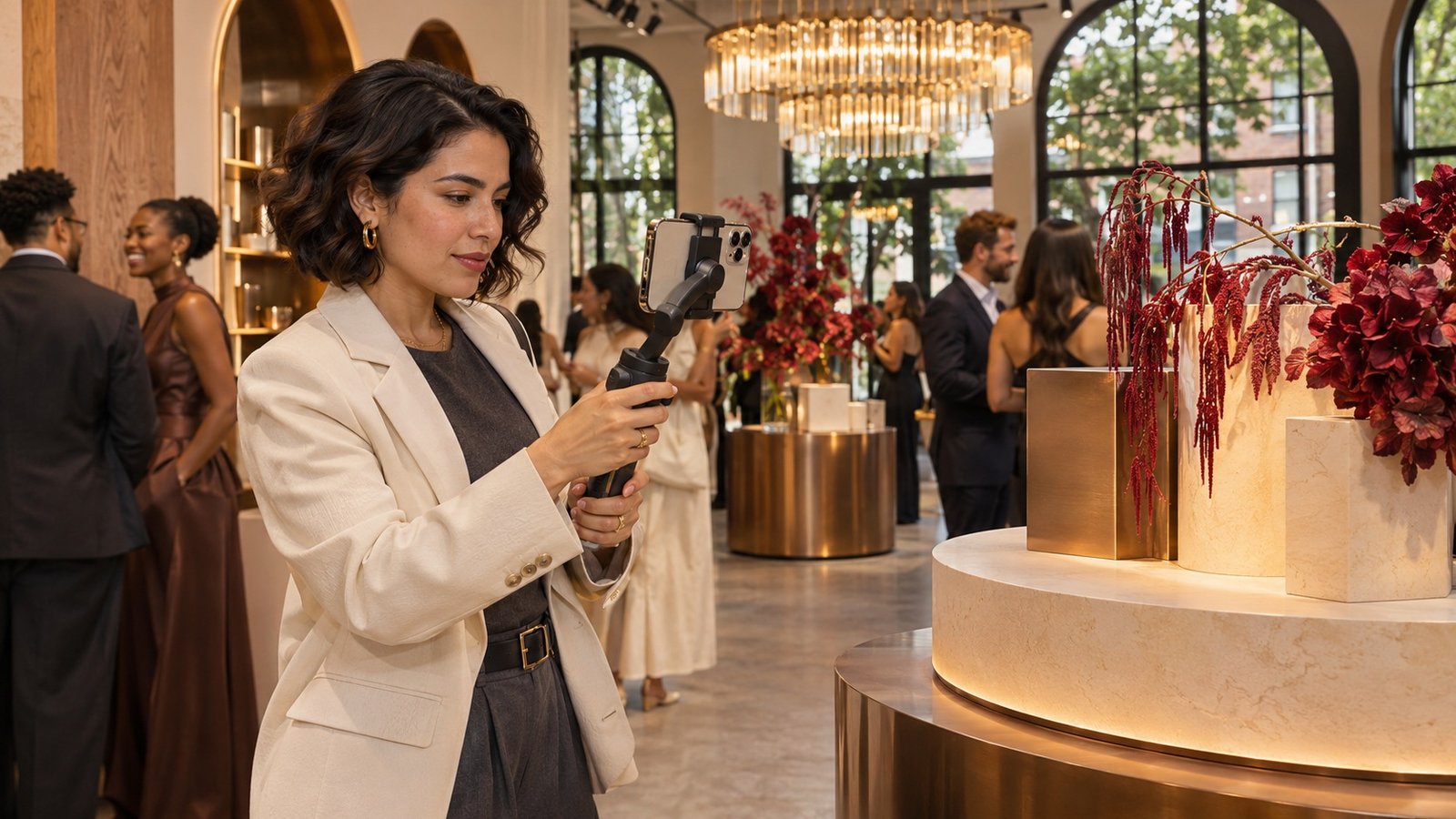
BTS Mobile and professional video can both show movement, but they serve different production needs. BTS Mobile is designed for vertical moments, quick reactions, arrivals and social energy while an event still feels immediate. Professional video brings an intentional plan for visuals, sound and editing. Choose between them by describing what the next viewer needs, then consider whether the brief needs both.
A social team might want a bank of candid vertical moments to support an event-day conversation. A communications team might need an edited film that introduces an initiative, or a complete recording of the keynote. Those are separate jobs. A phone-shaped frame does not make every video deliverable a mobile service, and a filmmaker's presence does not automatically create a same-day social workflow.
Write the mobile brief around moments
Useful mobile priorities often include arrivals, setup, a host greeting, short reactions and the transitions that show how the event feels. Choose a few repeatable prompts for willing participants and identify appropriate windows. A question such as what brought someone to the gathering can create context, but it should fit the event and be asked without pulling a guest away from an important program moment.
Agree on who will receive the assets and what that person can publish. If the social lead needs selections during the event, plan the transfer method, approval contact and timing. The client guide confirms asset counts, same-day selects and edited clips by coverage window. Write the agreed scope down instead of assuming that mobile capture automatically includes live posting or every possible edit.
Give the film a distinct editorial purpose
Professional video starts with the message the film needs to carry. Identify the story, intended length, viewing destination and any complete address requirement. Share speaker schedules and audio contacts. A highlight film can use a concise sequence of event moments to express an idea, while a full keynote recording needs continuity across the address. The guide treats these as different deliverables to confirm.
Discuss aspect ratios before capture when several destinations matter. A film shown at a meeting and a vertical cut for a feed may need separate versions. Confirm edit dates and review scope in the proposal. The production plan should make clear which deliverable arrives first, who reviews it and how feedback is gathered, especially if an announcement depends on a particular version.
Coordinate the people in the room
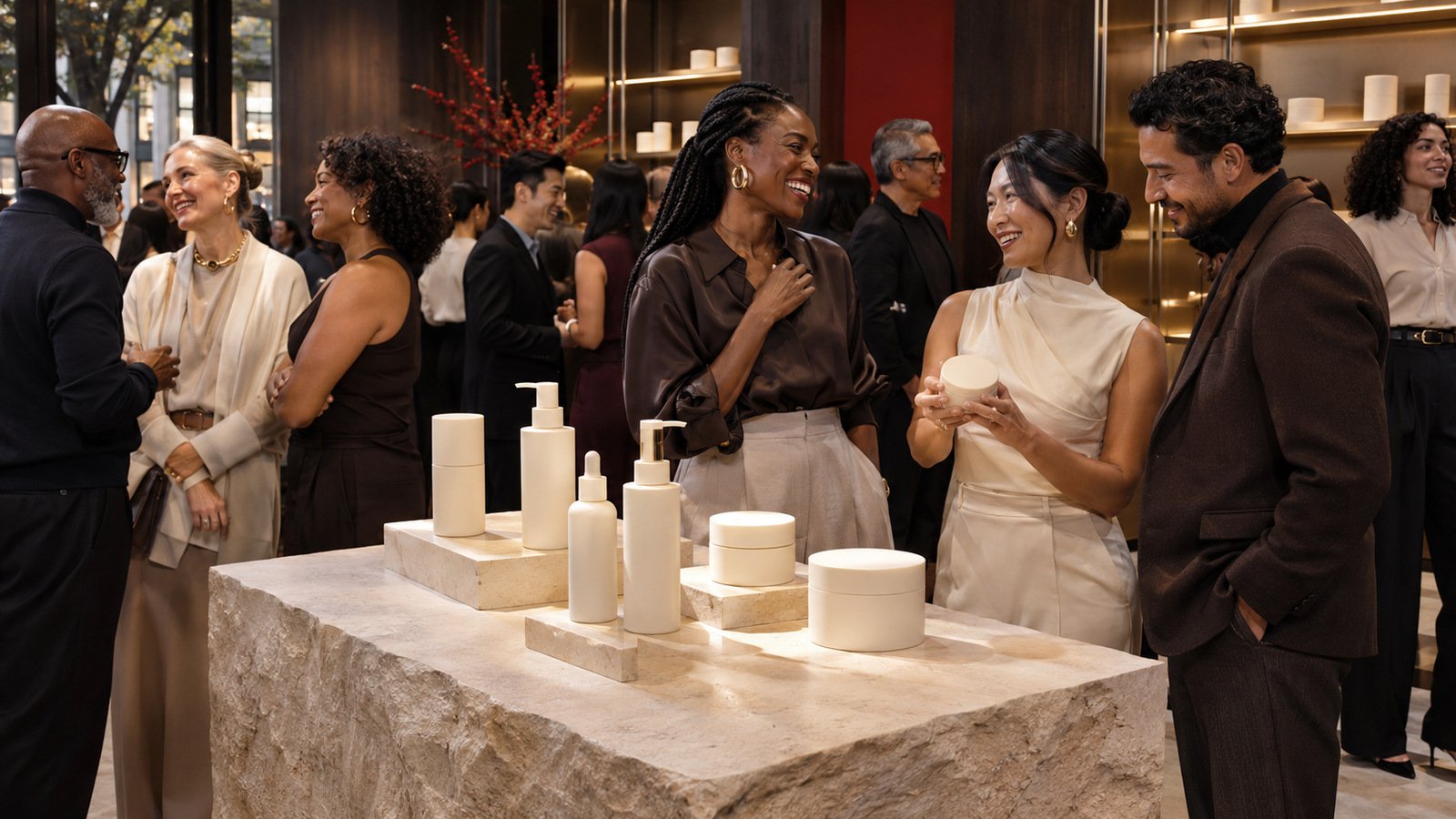
When photo, film and mobile work together, the crew needs shared priorities and distinct roles. Identify the nonrepeatable stage moments, planned interviews, partner obligations and guest preferences. Note where the team can move and who can resolve access questions. The goal is to let each format contribute without sending several operators toward the same task while another essential moment goes unattended.
A hypothetical launch might need photographs of the product presentation, a considered film and vertical reactions from guests. Put those needs on one schedule. If the speaker is available for only a short window, decide which capture comes first and what can happen later. The team should know the priority before asking the speaker to repeat a message for different formats.
Choose the collection with realistic expectations
The Portrait Dept Launch Kit pairs photo coverage with BTS Mobile capture for a focused two-hour event. The published scope includes 75–125 edited photographs, 15–25 mobile assets and a 30–45 second vertical recap. The guide describes one photo operator plus BTS Mobile capture. That wording should remain intact when discussing the collection; the final proposal confirms the actual production arrangement.
Other collections have different roles and deliverables. Authority supports full keynote or program capture with a coordinated recap, while BTS Mobile remains optional. Campaign and longer coverage may suit events with several stories, rooms or deadlines. Share the work you need each format to do so the recommendation follows the event instead of treating every collection as an interchangeable bundle.
Make immediacy usable
Fast delivery still needs context. Prepare accurate names, approved language, event tags and a person who can make timely decisions. A clip becomes easier to publish when the team knows who appears, what is happening and which audience it serves. Consider what should wait for review even if a selection is available quickly. Speed is useful when the handoff supports a thoughtful decision.
Bring the first publishing deadline, film purpose, keynote needs and social ownership to the call. The Portrait Dept can then connect mobile coverage, professional filmmaking or a blend to the actual next use. The strongest plan gives the room's energy a timely outlet and gives its message the production attention it needs to travel well.