
Begin with a decision, not a folder size
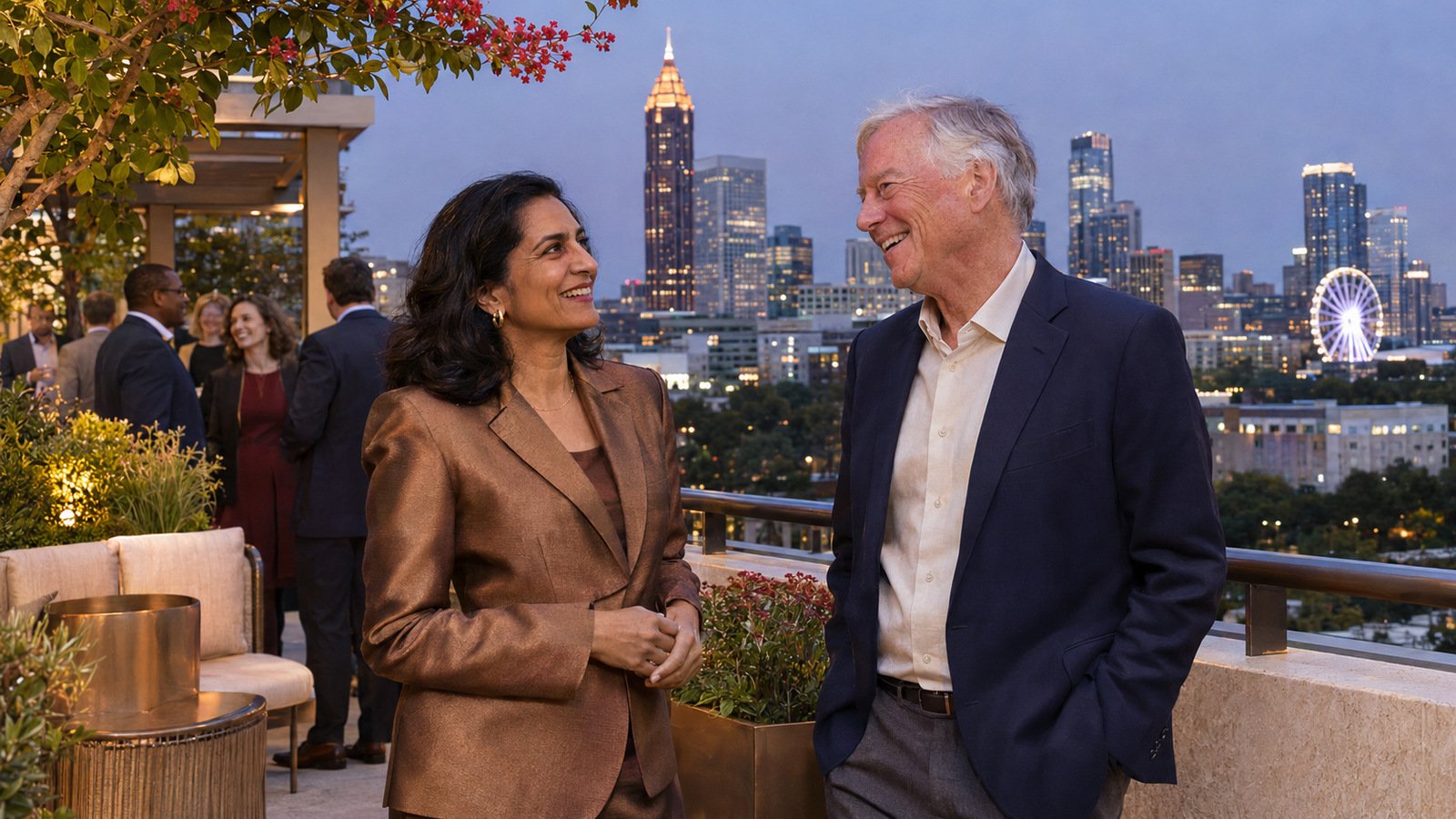
A photography brief works when it helps someone choose what matters in the room. A request for many photographs does not explain the purpose of the event, the people who need attention or the next use. Start with the communication job: celebrate attendance, document a program, acknowledge partners, introduce a new initiative, or support the next invitation. Put the primary job first.
Then name the audience and deadline. An internal recap may need a broad record of participation. A speaker acknowledgment may depend on one strong stage image and a correctly spelled name. A future invitation needs context that helps someone imagine being there. These choices influence the capture priorities before anyone counts the final photographs.
Build a useful priority list
Keep essential moments specific. Write the name of the award recipient, the time of the recognition and the person who can identify them. Give the host portrait a proposed window and location. List sponsor obligations with their actual deliverables. A short, accurate list of nonrepeatable moments is easier to act on than dozens of vague requests with equal urgency.
Separate the brief into people, program, place and details. People includes welcome, participation and relationships. Program includes remarks, presentations and reactions. Place establishes the room and how the gathering used it. Details can show a partner contribution, a thoughtful installation or a meaningful object. This structure creates breadth without pretending every possible image needs to be directed in advance.
Put the run of show to work
Send the latest agenda and identify which times are firm. Add a note where two priorities happen at once. If a donor portrait overlaps a stage presentation in another room, the planning team needs to know. Extra coverage capacity can be considered when simultaneous priorities require separate attention. It should follow the actual conflict, rather than appear as an unexplained automatic fee.
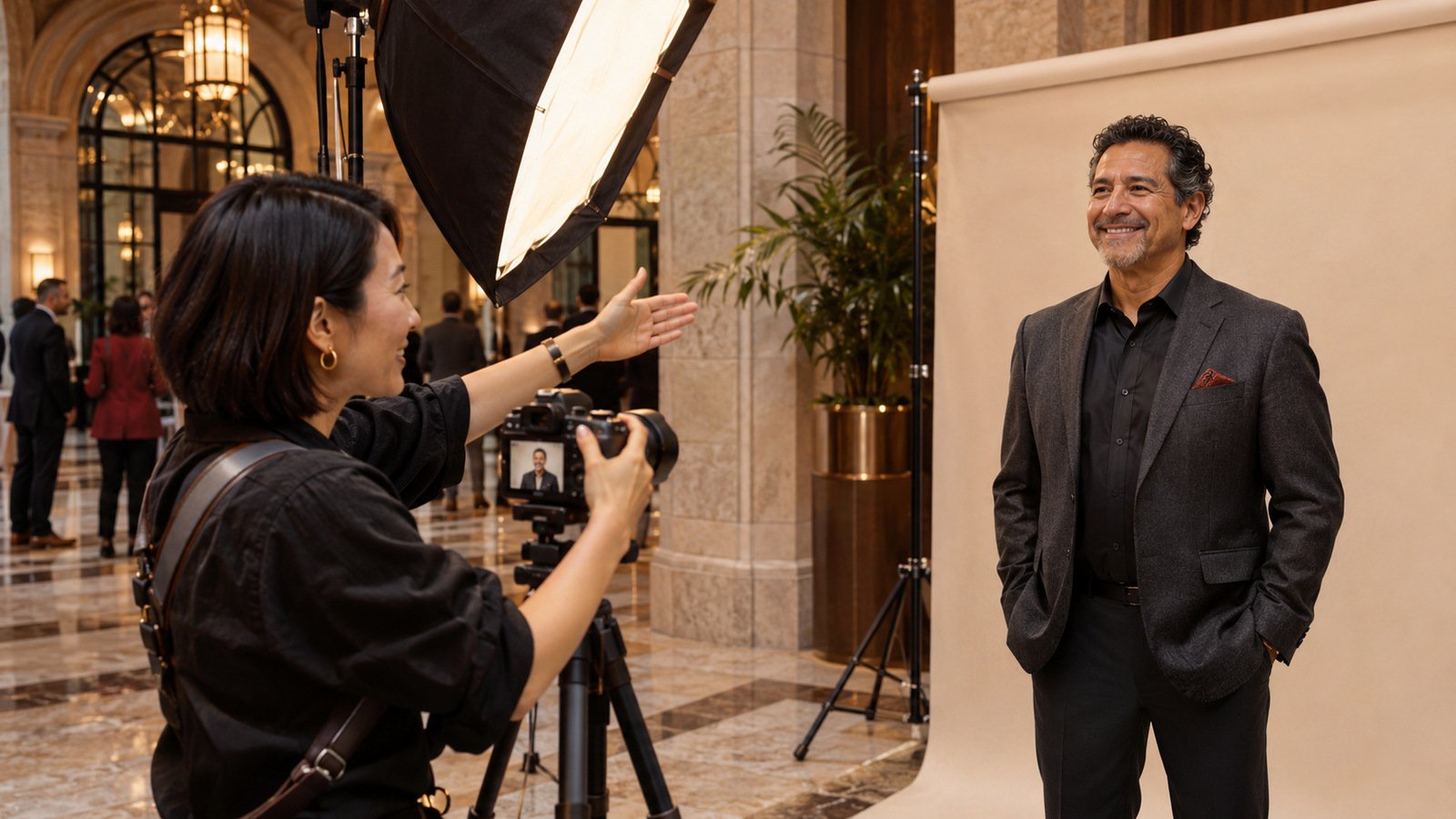
Leave practical room for portraits. Find out when key people arrive, who can gather them and whether they will remain after the program. A planned five-person photograph becomes difficult if two people leave immediately and nobody knows their names. Give the crew one on-site person who can help locate people while the organizer continues to host.
Share access and privacy information early
The photographer needs to understand entry procedures, setup access, room restrictions and relevant venue contacts. Provide a floor plan if the event moves between spaces. Explain any periods when movement is limited. A brief that names the doorway, contact and available window is more useful than an expectation that access will work itself out on the day.
Share guest privacy needs, no-photo lists and consent arrangements before coverage begins. Decide how the crew will identify those preferences discreetly and whom they should contact when a question arises. Also identify any content that needs review before public release. These are event planning decisions that deserve a named owner, not a rushed conversation after a photograph has already been shared.
Match the window to the actual story
The Portrait Dept photographs arrivals, stage moments, exchanges, brand details and atmosphere within an agreed coverage window. In the client guide, four consecutive hours of photography are planned around 200–300 edited selections, while eight hours are planned around 450–650. These are planning ranges; event flow and the confirmed scope shape the final collection. Standard delivery contains edited selections.
Book time for the chapters you need. If a room photograph before doors open is essential, coverage must include the access window. If the honoree portrait happens after the program, include that time too. Consecutive coverage hours are a real scheduling boundary. Share the complete sequence so a recommendation can account for preparation, guest-facing moments and the final priorities.
Write the handoff while writing the brief
Identify who receives the gallery, who approves public images and who sends partner selections. The guide gives 30 days of gallery access from delivery, so assign the download and backup before the event. Confirm the first selection deadline in the proposal, especially when an announcement depends on it. A delivery plan turns a useful shoot into a usable record.
End with one paragraph anyone on the team can understand: what this event means, whose presence matters, which moments cannot be missed, and what the photographs need to do next. Add the agenda and contacts underneath. That is a brief people can carry into a busy room. It gives the photographer direction while preserving attention for the real exchanges that make the gathering yours.