Decide what the viewer needs
A highlight film and a full keynote recording answer different questions. A highlight helps someone feel the event and understand its central story in a short viewing window. A full keynote lets someone hear an address from beginning to end. Before choosing coverage, describe the viewer: were they in the room, what do they already know, and what do they need from the recording?
An absent colleague may need the complete argument, including transitions and examples. A prospective attendee may need a concise introduction to the experience. A sponsor may need a short piece that shows participation. These audiences can overlap, but their viewing needs do not become identical. Name the primary use first, then decide whether additional edits serve a separate, clear purpose.
Treat a complete address as a distinct deliverable
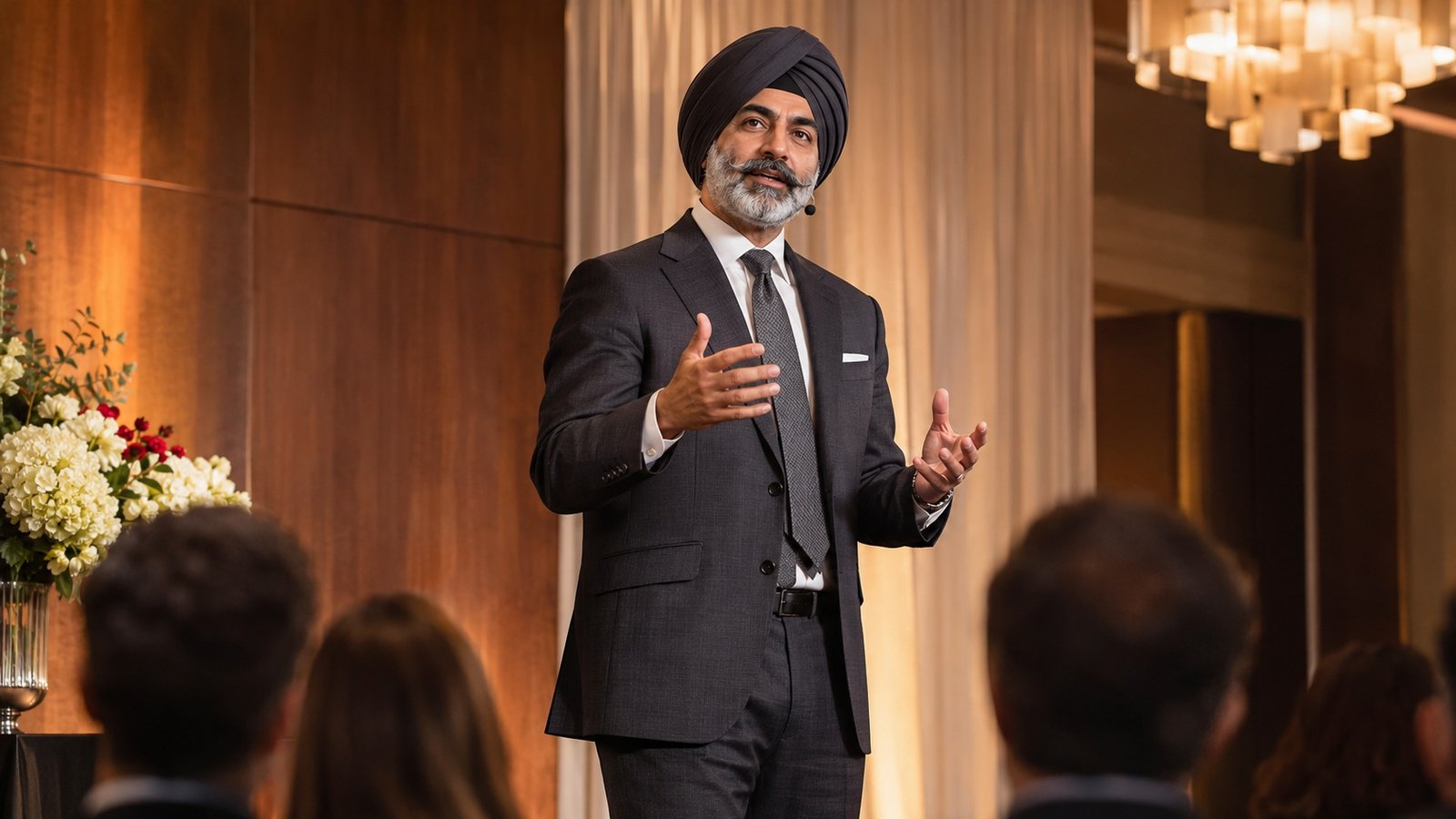
The Portrait Dept client guide is explicit: a highlight-film package does not automatically include a complete program recording. If the full keynote matters, write that requirement into the brief and proposal. Specify the address, approximate length, scheduled start and finish, and whether introductions or questions are part of the requested deliverable. A general request for video leaves too much open.
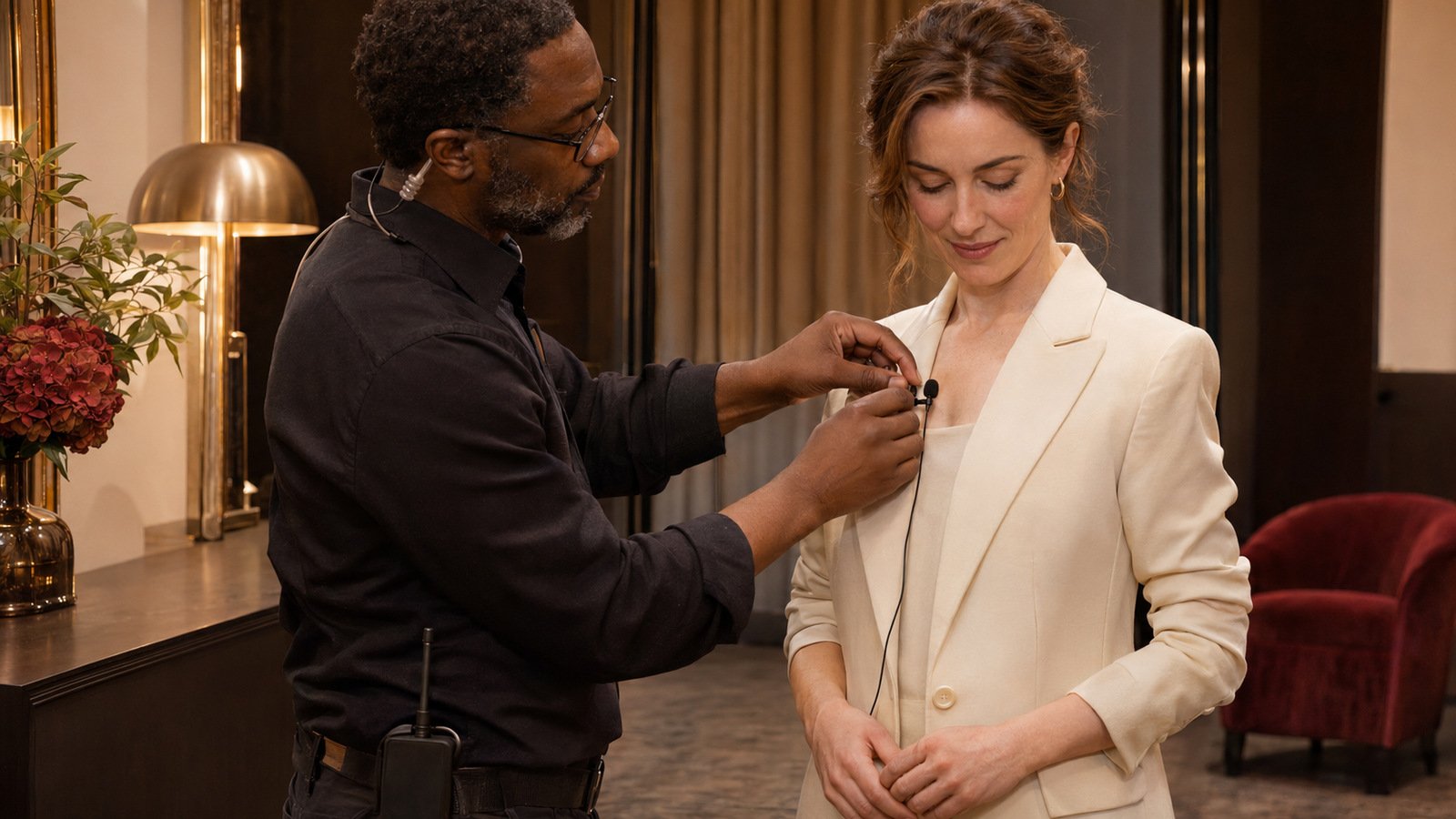
A complete address also needs continuity. The production conversation should cover stage access, camera positions, sound, program changes and the people who can resolve technical questions. Do not assume the venue microphone system automatically creates a recording feed that meets the film plan. Arrange a conversation between the filmmaker and the relevant audio contact so the requirements can be confirmed before guests arrive.
Define the highlight story
A highlight needs an editorial idea beyond a list of attractive moments. What connects the arrival, the keynote and the reception? Perhaps the event introduces a new initiative, recognizes a community, or brings a professional group together. State that idea plainly. It gives the edit a center and helps identify useful speaker excerpts, transitions and audience reactions during capture.
Think about where the film will live. A website, a presentation and a vertical social post may call for different framing or versions. Share those destinations before the event so the team can plan suitable coverage. Confirm film length, aspect ratios, revision scope and delivery dates in the proposal. A request for several versions should identify their uses rather than assume every crop is automatic.
Plan the room for both jobs
If you need the full address and an event story, protect the address first in the run of show. Identify its uninterrupted window, the speaker entrance, any presentation screens and the likely audience arrangement. Then schedule room details, networking and other story material around that window. Moving these decisions earlier reduces the need to choose between two important moments while they happen.
Use a shared contact sheet with the planner, stage manager, venue contact and audio lead. Mark who can approve a camera position and who announces a schedule change. Ask about sightlines after the final room layout is available. A beautiful room can still place a centerpiece, lectern or guest route directly between the camera and the speaker; the plan needs to account for the actual setup.
Choose the collection against the brief
In the 2026–2027 guide, the four-hour Authority Kit includes two photo staff, a lead filmmaker and a video assistant, with full keynote or program capture, 250–350 edited photographs and a 60–90 second recap. BTS Mobile is optional. That scope makes it a useful starting discussion when the full message and a coordinated visual record both matter within a four-hour event.
The right fit still depends on your agenda. Concurrent stages, a longer program, additional rooms or a separate social content bank can change the scope. Share those facts instead of treating the collection name as the whole plan. Your signed proposal and agreement define coverage, deliverables, usage, fees and milestones. Published examples help start the conversation; the event determines the final production brief.
Give the finished film a clear handoff
Assign an owner for review and collect feedback into one set of notes. Confirm who checks names, titles and any on-screen information. Agree on the intended audience and publishing destination before a deadline becomes urgent. If there are several deliverables, track the full recording, highlight and other cuts separately so that one approval does not accidentally stand in for all of them.
Bring this sentence to the discovery call: our viewer needs to watch this much of the message, in this setting, by this date. It is a small statement with useful consequences. It clarifies whether the task is to preserve an address, tell the story of an event, or do both with an agreed plan for each.