Name the event setting precisely
Georgia Aquarium's official event page lists several venue options, including Oceans Ballroom, gallery events, Coastline Café and full-facility events. It describes Oceans Ballroom as a 23,000-square-foot space with aquatic observation windows and options to divide it into three rooms. Start your content brief with the exact contracted setting, configuration and access window, rather than simply describing the event as being at the Aquarium.
This article is independent planning guidance from The Portrait Dept, using public venue information. It does not describe a past assignment or imply an Aquarium partnership. The official page is a research starting point. Your venue contract, event contact and confirmed production arrangements should determine what the team can access, where it can work and what needs approval for the specific gathering.
Let the environment support the people
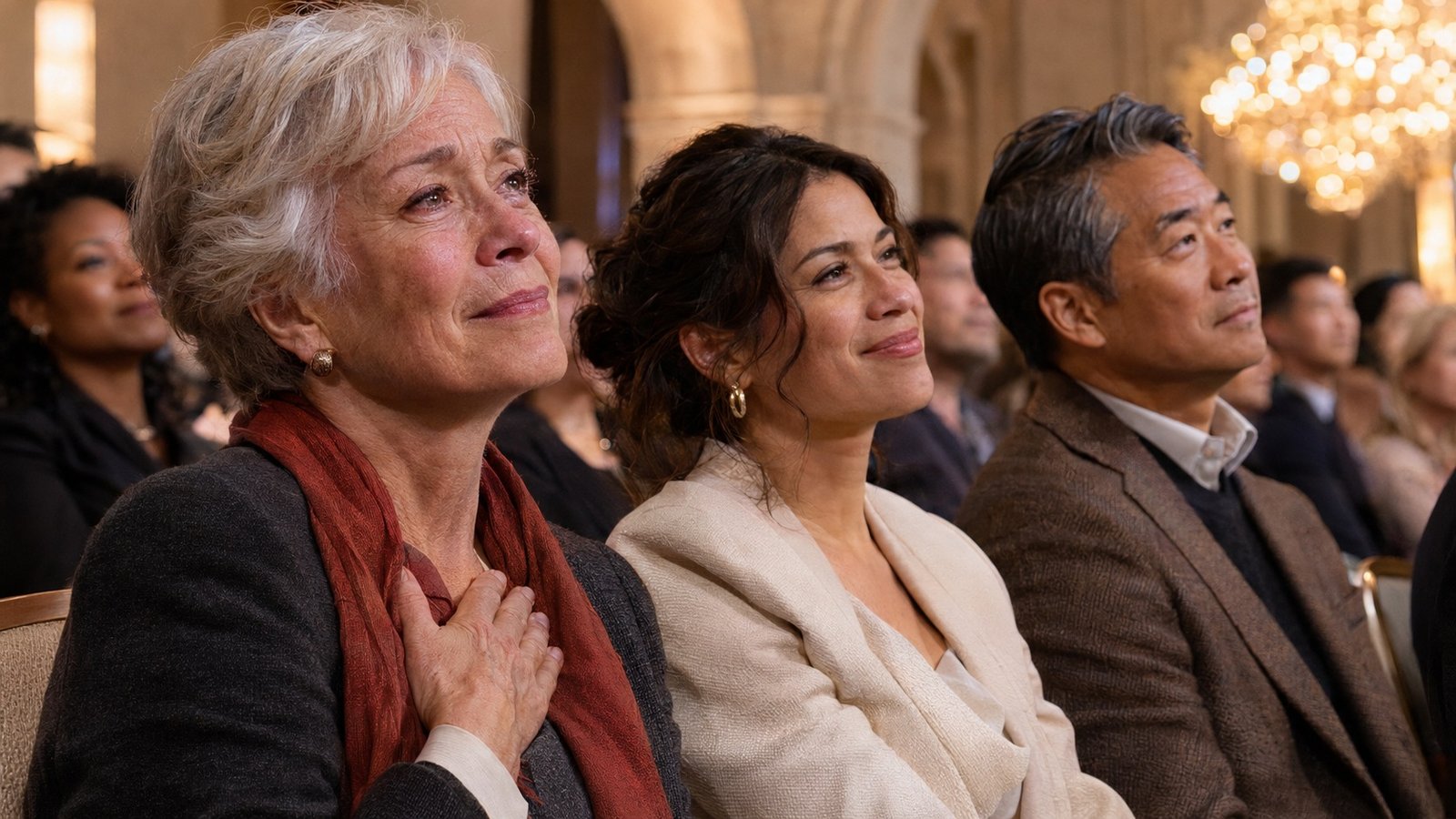
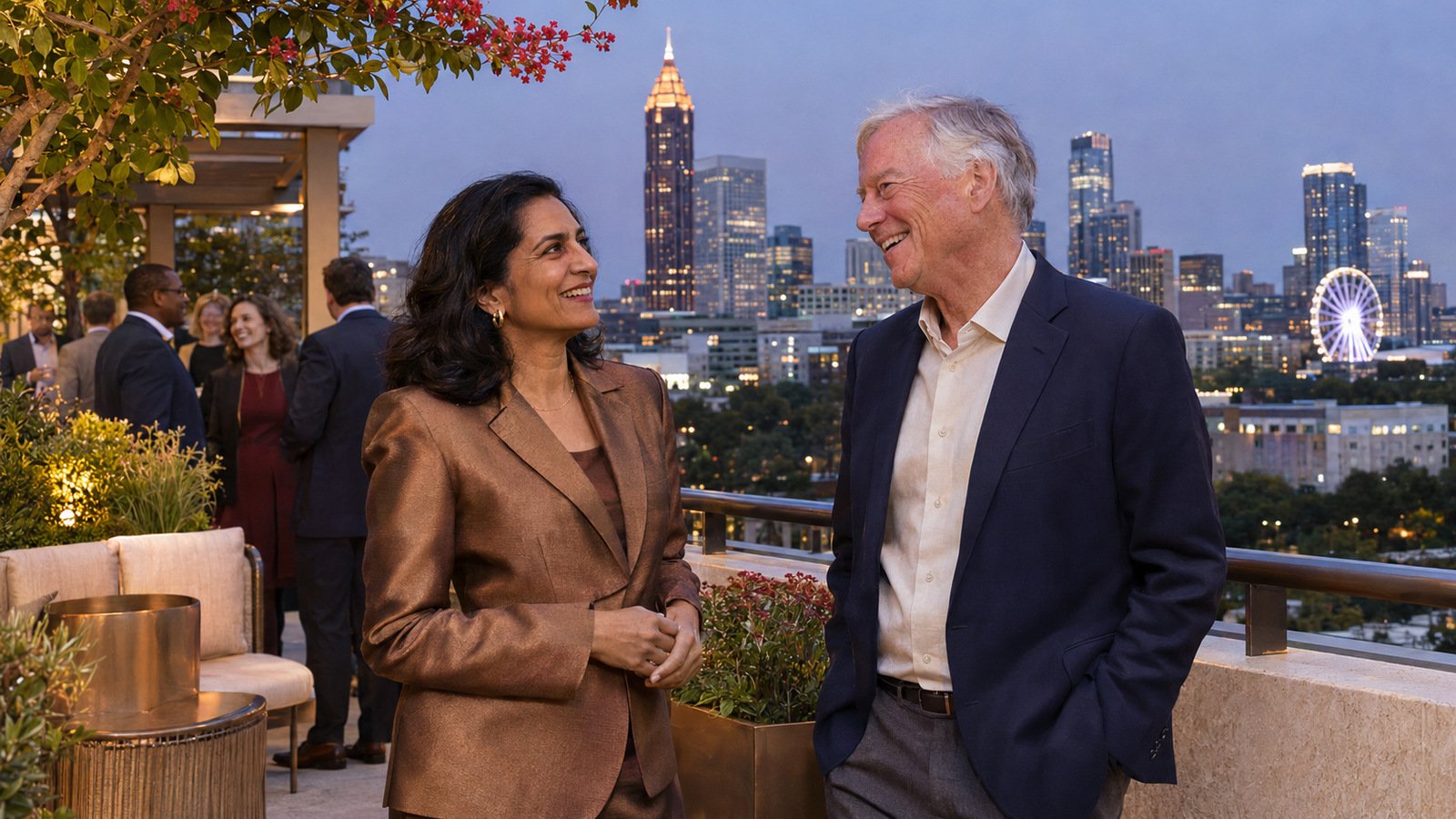
A dramatic setting can provide immediate context, but the event story still needs people and purpose. Decide what the next audience should understand about the gathering. Is the focus a message, a recognition, a professional connection or a partner experience? Choose establishing images that introduce the setting, then build a sequence around the interactions and program that made the event yours.
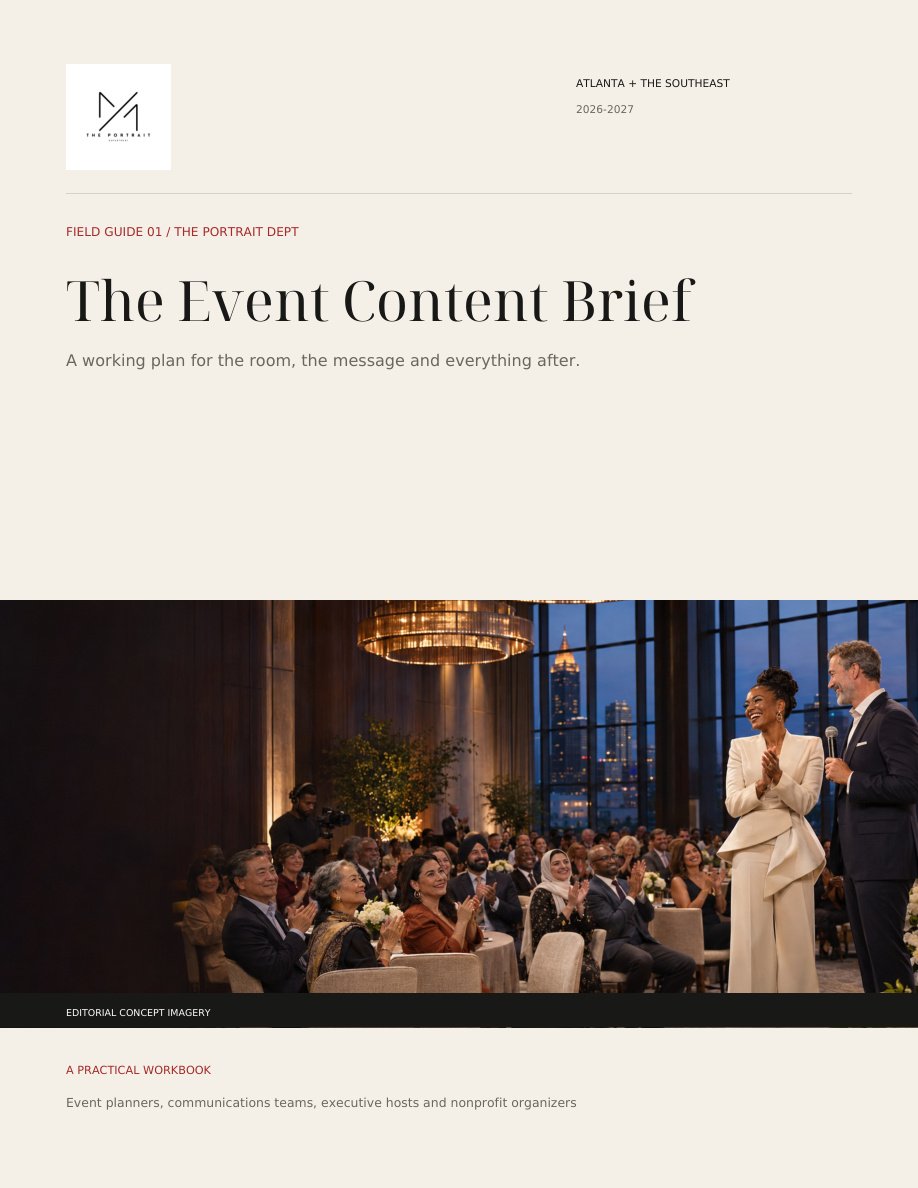
For a hypothetical reception, a useful sequence might begin with the room, move to guests arriving, follow a host welcome and show the audience engaging with the program. A partner acknowledgment might need its own small set of moments. These are proposed planning choices, not descriptions of an actual event. Put them against your agenda to see where the priorities fit.
Coordinate the technical conversation early
The Aquarium's public event page includes audiovisual and production information. Before committing to a capture approach, ask your venue contact to identify the correct current technical contact and the relevant requirements for your event. Do not assume an outside crew can connect equipment, move lighting or occupy a position without coordination. Put those questions into preproduction while the room plan can still be discussed.
If a full keynote matters, identify the uninterrupted address window, sound requirements, camera positions and presentation screens. Confirm the difference between a full recording and a highlight film in the proposal. A film can carry an edited event story; a complete address needs continuity. The content plan should state which job is essential and how any additional story coverage fits around it.
Test the actual visual conditions
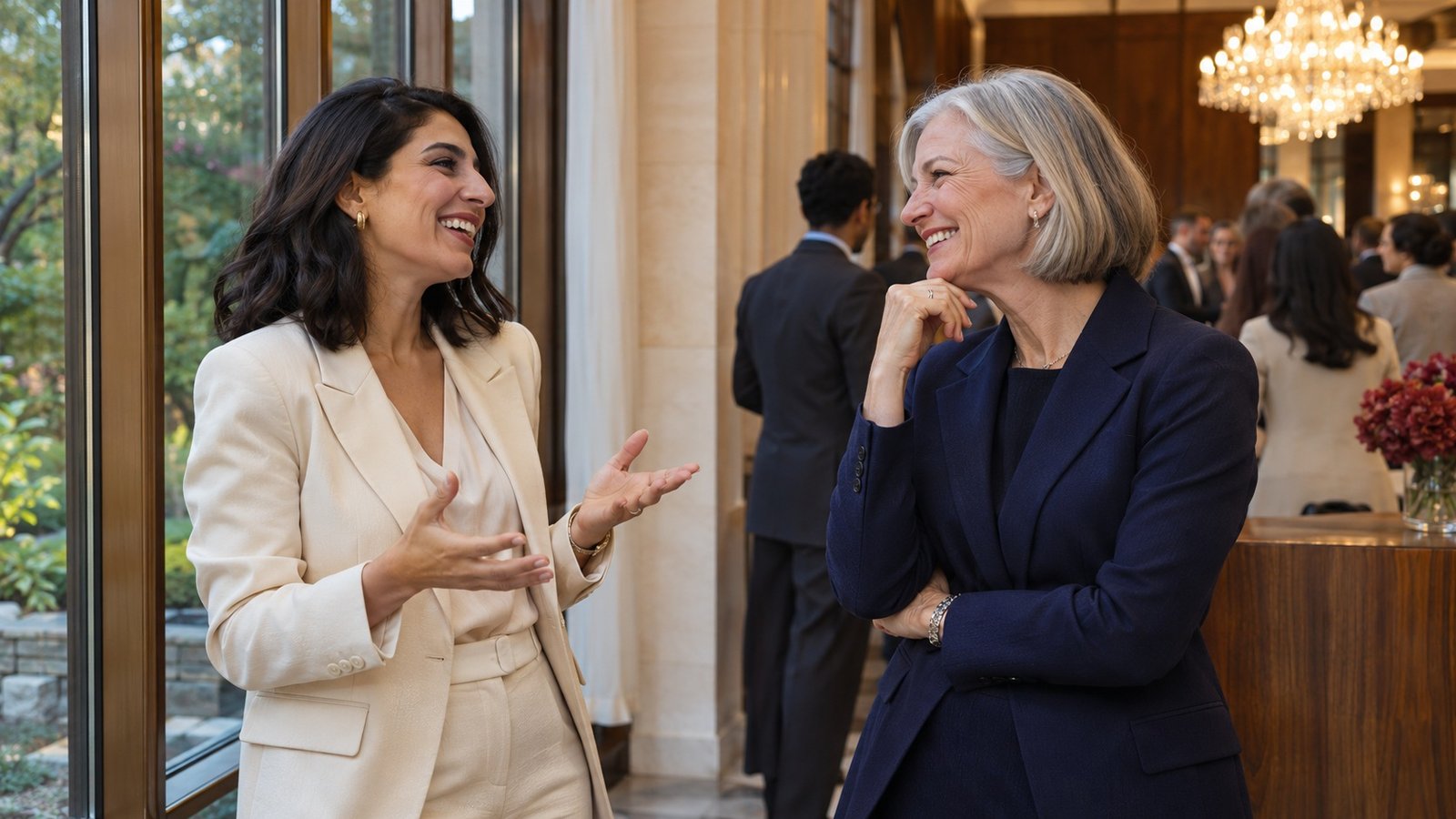
Aquatic viewing areas and guest spaces may present different visual conditions. Ask the production team to assess the planned positions and lighting in the actual event arrangement rather than assume every background works equally for faces, portraits and stage coverage. Confirm the venue's current rules for equipment and lighting. The brief should identify the desired outcome while leaving technical choices to the confirmed production plan.
Schedule important portraits where guests can participate comfortably and circulation can continue. A background is only useful if the position works for the person and the event. Share the room layout, queue locations and any stage sightlines before the day. If several spaces are involved, identify which one needs coverage at each point in the run of show.
Make movement and access visible
The official page states that load-in and load-out arrangements are established by its event team before the event. Get those details into the production brief along with credentials, the on-site contact and the time equipment must be clear. Keep the contracted coverage window aligned with the access required for room details, checks, guest-facing moments and final priorities.
Also confirm what access guests actually have under your event arrangement. Do not write a shot list that depends on additional spaces simply because they appear elsewhere on the venue website. If an activation, portrait or guest movement takes the team away from the main program, flag the overlap. The crew recommendation should follow the real locations and simultaneous requirements.
Plan the content's next destination
Choose the early recap, partner acknowledgment and later campaign use before the event. Give each one an audience, format, reviewer and deadline. If your social team needs vertical moments while the event is fresh, discuss BTS Mobile as its own service or agreed addition. If the message needs a full film treatment, scope professional video around that purpose and delivery schedule.
Bring the contracted setting, floor plan, venue contacts, access arrangements and next-use priorities to The Portrait Dept. Download and back up the final photo gallery within its 30-day access window. A distinctive environment can establish the gathering beautifully; a specific brief ensures the people, message and handoff receive equal attention after the room clears.