Make the invitation useful
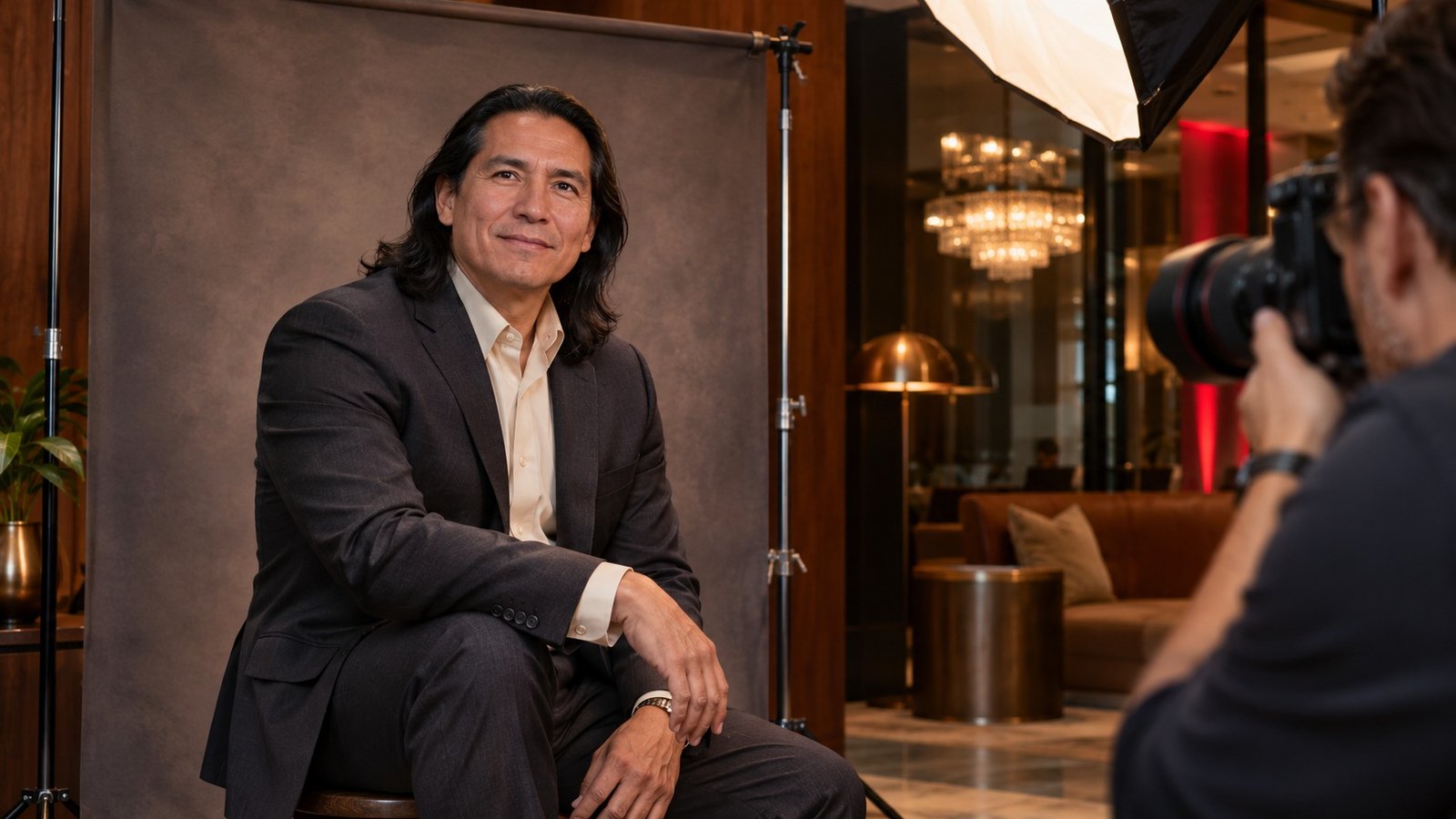
A Headshot Lounge can give attendees something practical to carry beyond an event: a professional image for a next introduction. Its value begins with a clear invitation. Tell people what is offered, whether it costs them anything, how participation works and when they will receive their image. A guest should be able to decide comfortably without approaching a station to discover the basic terms.
The Portrait Dept organizer-paid lounge includes one lightly retouched headshot per attendee with a private delivery link within five business days. Guest volume, queue and station count are matched to the schedule. Use those details to write an honest event description. Do not promise unlimited portraits, instant delivery or an unconfirmed number of participants because the lounge appears simple from a distance.
Design the queue around the program
Find the windows when guests can participate without missing the reason they came. A networking break, arrival period or open reception can each work differently. Compare expected interest with available time and ask how the lounge should handle a rush. Capacity should be discussed against the actual schedule, station plan and guest flow rather than a generic photographs-per-hour assumption.
Give the lounge a visible host or a clear way to explain the process. Guests need to know where to join, what happens next and whether they can return later. Keep waiting people out of required circulation routes. If the event has accessibility considerations, include them in the placement conversation so reaching the station and participating do not become unnecessary obstacles.
Choose a station location deliberately
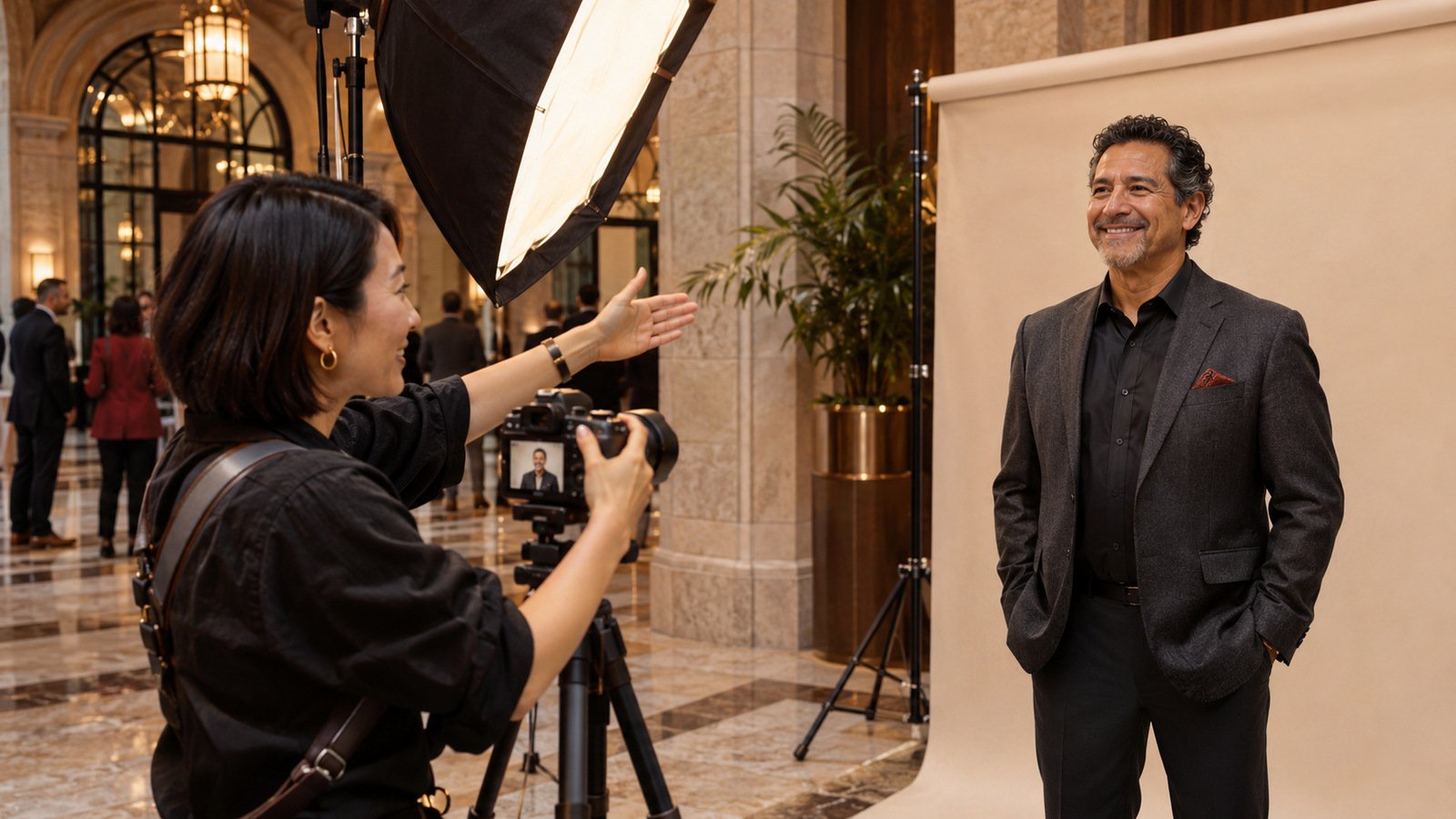
A useful location needs more than an attractive corner. Confirm available space, power, setup access and a position that works with the event's movement. Ask the production team what the chosen backdrop and station arrangement require. Share the room plan before furniture is fixed, especially when the lounge sits beside an activation, registration desk or food service area.
Consider the guest's comfort as part of the layout. A station directly in a crowded doorway may feel rushed. A queue across a sponsor conversation may make both experiences harder. Walk the route from the entry to the lounge and back to the main event. The room should make the next step obvious while allowing the portrait interaction enough space to feel personal.
Keep participation and information clear
Decide who will collect the information needed for private delivery and how guests will understand that process. Share privacy requirements before the event. If attendance or lead reporting is relevant to an agreed activation, define its purpose, fields and recipients in advance. Reporting support in the client guide is included where relevant and agreed; it is not a reason to collect information without a clear plan.
A sponsor logo on a delivery page can acknowledge the organization supporting the experience. Keep that recognition distinct from any additional marketing permission the organizer or sponsor may seek. The guest should understand what is necessary to receive the headshot and what is optional. Ask the responsible organizer to confirm the event's privacy and consent process rather than inventing one at the station.
Choose the payment model early
The guide offers organizer-paid, attendee-paid and corporate team options. The payment model affects promotion, registration language and the questions guests ask. Decide it before the event invitation goes out. If the organizer pays, say what the attendee receives. If attendees pay, make the setup and purchase arrangement clear through the approved booking plan so expectations are aligned before anyone joins the queue.
Additional stations and a branded backdrop are optional enhancements in the guide. Discuss them when they solve a real flow or branding need. A second station is a capacity decision to scope, not a promise that every attendee can be photographed regardless of the schedule. Confirm the final arrangement, deliverables and any sponsor reporting in the proposal and agreement.
Finish with a private, reliable handoff
Plan how guests will recognize the delivery message and whom they should contact with a question. Provide accurate event information for the handoff and tell attendees the agreed delivery window. The organizer should also know which operational information it will receive and which portrait links are intended for individual delivery. This helps preserve the experience beyond the station itself.
Bring expected participation, the program, space details, payment model and privacy needs to the discovery call. The Portrait Dept can use those facts to plan the lounge around the guests. A well-considered portrait experience feels like a useful invitation inside the event: clear to join, comfortable to navigate and easy to understand after the room clears.