
Let the mission shape the brief
Nonprofit event coverage needs to show why people gathered while respecting the people whose lives and work give the mission meaning. Begin with the purpose of the event and the next audience. A donor update, a volunteer invitation and a community report ask for different material. Name the communication job before deciding which people, moments or personal stories should appear in the coverage.
Then ask what the organization wants viewers to understand about its work. Participation, leadership, partnership and a shared sense of purpose can all be visible without turning someone into an illustration of need. The brief should make space for people as active participants. A thoughtful image sequence can show context and contribution while leaving room for complexity that a caption cannot fully explain.
Put consent needs into the plan
The organizer should define the event's consent approach and share privacy requirements before coverage begins. Identify no-photo preferences, sensitive settings and any participants who require additional coordination. Give the crew a discreet way to recognize those preferences and a named person who can answer questions. Do not leave a guest to negotiate the same concern with several operators during the event.
If a personal account is part of the program, agree on the intended recording and next use with the responsible organizer. A person choosing to speak in a room may still have questions about wider distribution. Plan those conversations early through the organization's established process. This article offers production planning guidance; the organization should confirm the permissions and policies relevant to its own participants and programs.
Show participation with context
A useful nonprofit library includes more than a stage and a donation moment. Consider volunteers preparing the welcome, staff connecting people, board members listening, partners contributing and guests engaging with the program. Room details can explain the gathering when they are connected to its purpose. The coverage becomes richer when it records relationships and actions across the event rather than depending on one emotionally charged image.
Avoid asking someone to recreate a vulnerable moment for a stronger photograph. Plan directed portraits when they are appropriate, explain the request and allow a comfortable refusal. If the event includes children or other participants with specific safeguarding requirements, put those arrangements in the brief through the organizer's designated lead. The crew needs clear boundaries and a practical escalation contact.
Cover recognition thoughtfully
List the people being acknowledged, the correct names and titles, and the timing of each recognition. Include the reactions and relationships that give the moment meaning. If an honoree portrait is required, arrange a window and someone who can gather the group. The aim is a coherent record of the acknowledgment, with enough context to support an accurate follow-up message.
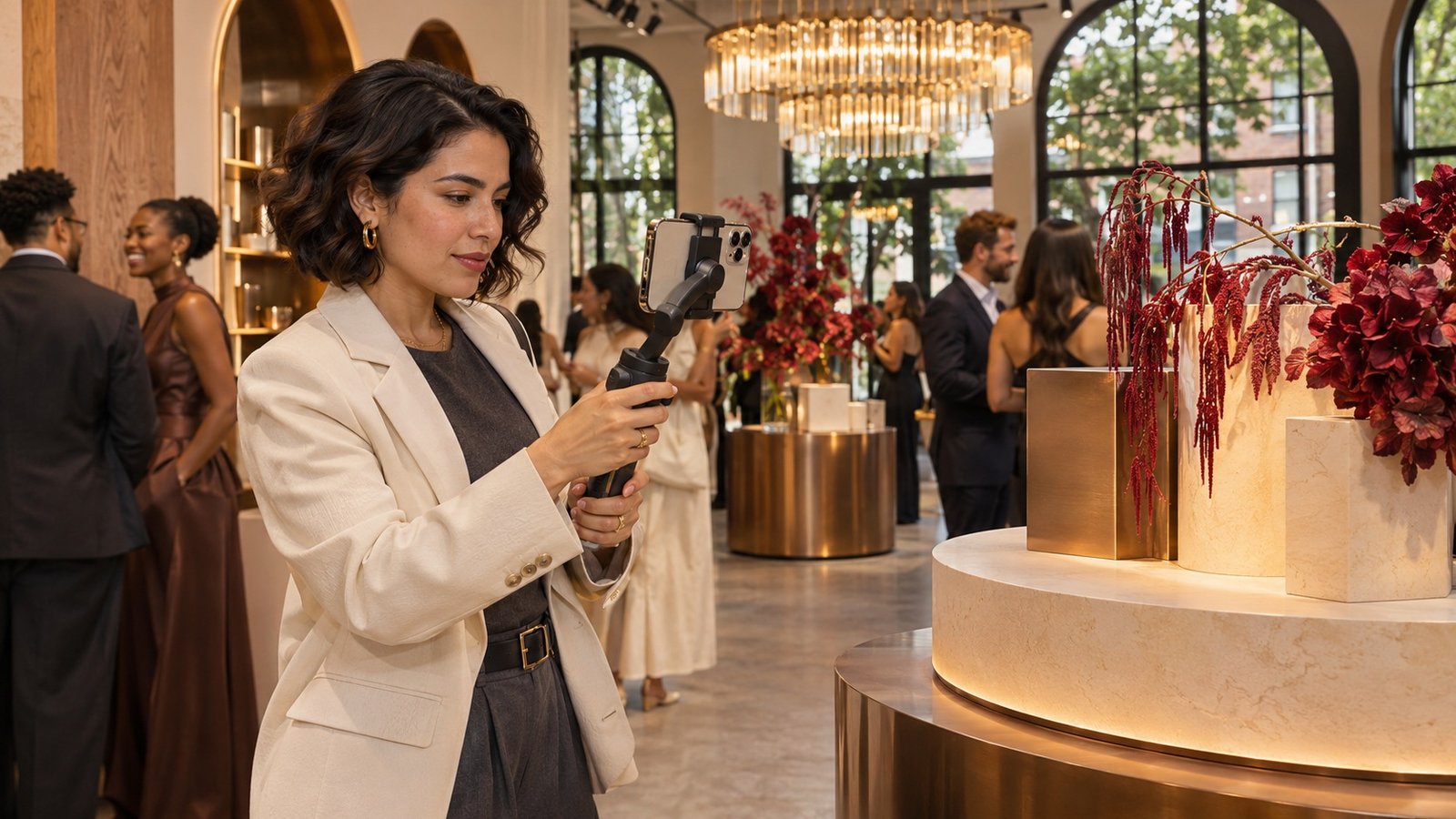
Sponsor and donor visibility should reflect the contribution made and the commitments the organizer has agreed. Record those obligations without allowing them to overwhelm the guest experience. A partner's activation, a purposeful brand detail or a planned group portrait can provide a clear record. Avoid treating every conversation as a backdrop for recognition when the event's purpose depends on people feeling welcome and present.
Plan the message beyond the room
If a speaker's complete address matters to a later audience, request full keynote or program capture explicitly. A highlight film does not automatically preserve the entire message. Decide whether the next use needs an edited story, a complete address, photographs, social moments or a coordinated combination. That choice should guide the sound, access and crew discussion before the event.
Review can be especially important when captions describe the organization's work. Assign someone who can check names, program language and context. Select images that support the actual message without implying a result the event cannot substantiate. Photographs can document participation and visible moments; claims about fundraising outcomes, program impact or participant experiences need their own accurate evidence and organizational approval.
Give the library a responsible owner
Choose who receives the content, who approves public selections and who distributes partner material. Confirm deadlines and intended usage in the proposal. The Portrait Dept guide includes standard organic use on the client's owned channels; paid and third-party uses are scoped separately. Share any broader distribution needs early so the handoff aligns with the organization's actual communication plan.
After delivery, download and back up the gallery within its 30-day access window. Keep approved captions, relevant usage notes and event context with the files so future colleagues can use the material thoughtfully. Bring the mission, agenda, privacy needs and first next use to the discovery call. A clear brief helps the event's purpose travel while keeping the people at its center visible with care.