Start with the contribution
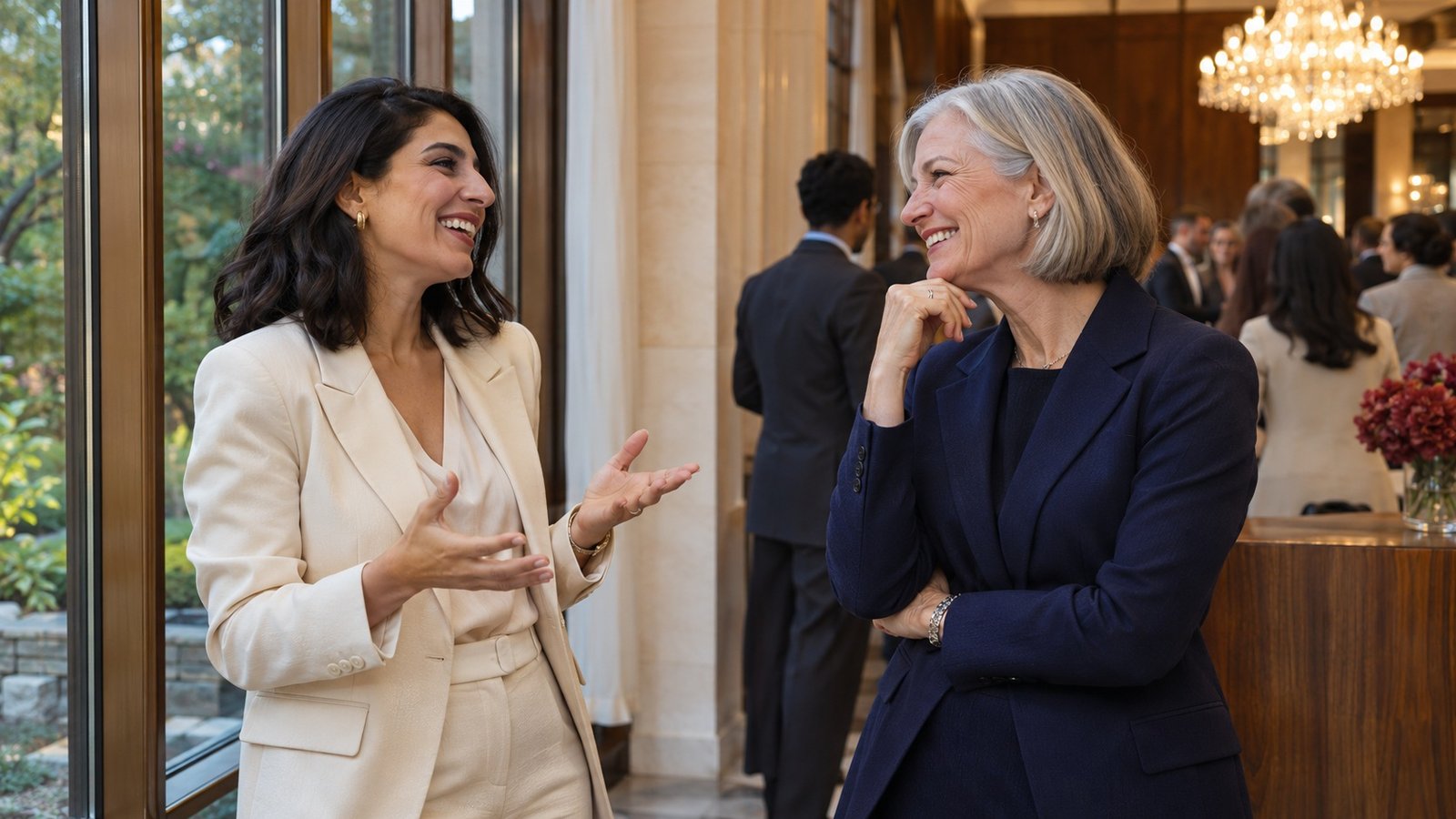
Sponsor coverage becomes more thoughtful when the brief begins with what the partner helped make possible. Was it a welcome experience, a speaker session, a useful lounge or an activity? Name that contribution and the people it served. The story can then show the sponsorship in action, with appropriate brand visibility, instead of treating every guest interaction as an opportunity to place a logo.
Ask the organizer to gather the actual commitments made to each sponsor. A logo photograph, an activation sequence and an image of a representative on stage are different requests. Recording them early gives the crew a fair chance to meet them. It also helps the planner notice obligations that need access, a scheduled portrait or a particular moment in the program.
Give each obligation a place in the schedule
Create one simple entry for each priority: partner name, required moment, location, time and approval contact. Include the correct display name and any recognition language the organizer has approved. If an activation closes before the keynote ends, flag the overlap. The crew assignment should follow the timing of the work, including any simultaneous rooms or stations.
Photograph signage and installation details before guests arrive when access permits. That creates a clean record without asking guests to interrupt their experience. During the event, focus on participation and the exchange the activation enables. For a hypothetical sponsored portrait experience, the useful story might include the welcome, the station, the interaction and the guest receiving a clear explanation of delivery.
Protect the guest experience
People attend an event to connect, learn, celebrate or support a cause. Sponsor coverage should fit that purpose. Avoid building a brief that depends on repeatedly stopping guests during meals or private conversations. Plan directed photographs in an appropriate window and allow candid coverage to observe real participation within the event's consent arrangements and privacy needs.
Give the crew a contact who can answer questions about sensitive interactions. If someone declines a photograph, the team needs a straightforward way to respect that choice and keep working. The organizer should explain any opt-out method in advance. An attendee's presence in the room should not be treated as an unlimited invitation to use their image in every partner context.
Capture a sequence with context
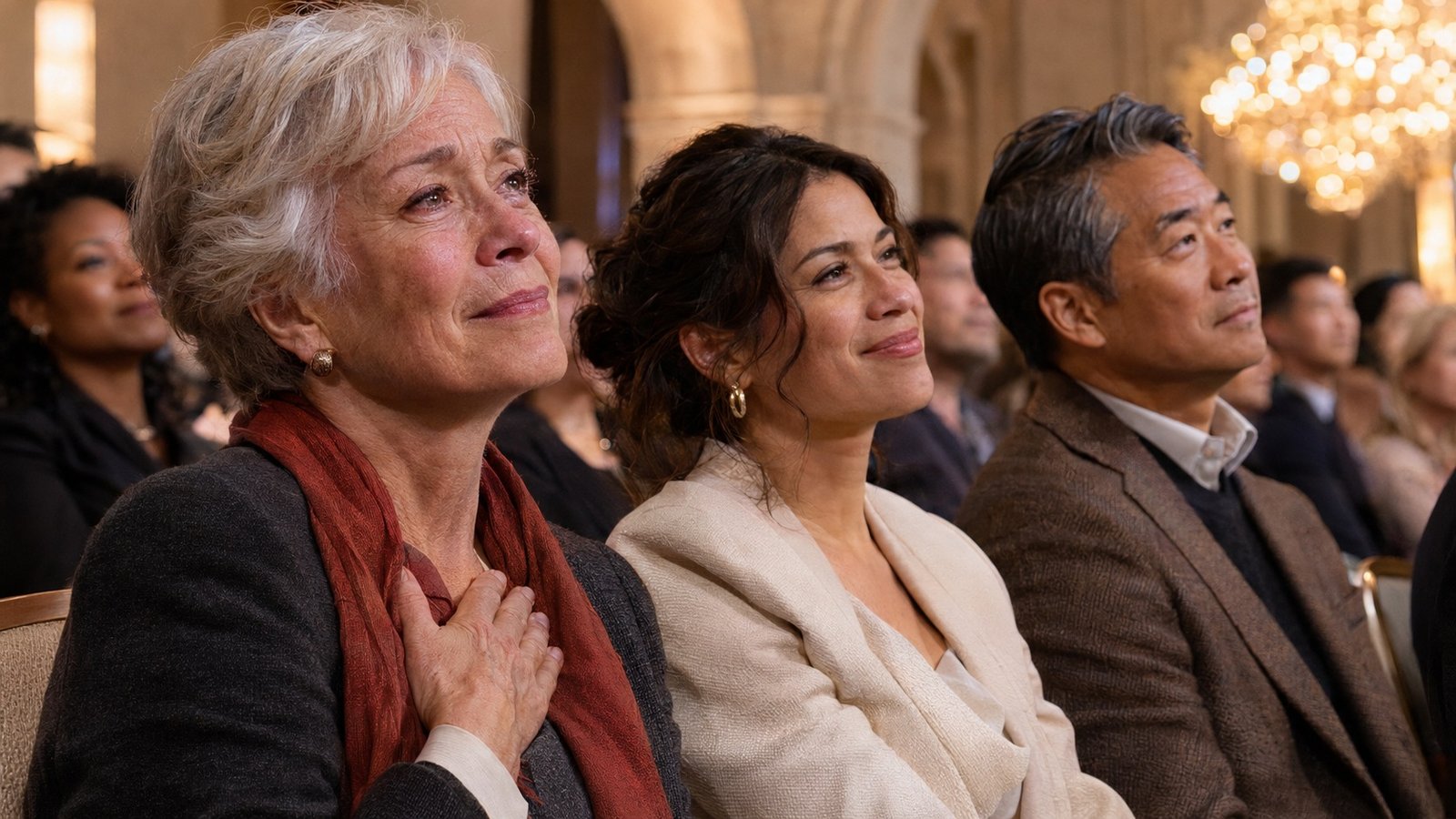
One image of a logo may show placement, but it may not explain the experience. A compact sequence can show the setting, a meaningful interaction, the relevant brand detail and the people behind the contribution. The same sequence becomes easier to caption accurately because it contains a beginning and a purpose. It also gives the organizer options for an acknowledgment email or a partner update.
Write captions that describe what happened. Name the activation and explain the partner's role using approved information. Avoid claiming that a photograph proves a financial return, a particular audience response or a measurable business outcome. Coverage can document visible moments. Attendance reports, survey findings and other evidence require their own sources and careful interpretation outside the image itself.
Agree on use before distribution
The Portrait Dept client guide includes standard organic use on the client's owned channels. Paid advertising and third-party use are scoped separately. If a sponsor expects to publish the material on its own channels, include that expectation in the planning conversation. A promise made in a sponsorship package should be reconciled with the agreed content usage before the event takes place.
Separate the image handoff from the permission decision. A tidy folder is helpful, but it does not explain where the material may be used. Assign one organizer to distribute approved selections with captions and relevant usage information. That person can also handle corrections to names or context. The result is a more coherent partner handoff with fewer ambiguous forwards between teams.
Make acknowledgment part of the after-plan
Before the event, decide which partner moments need an early selection and which can wait for the complete gallery. Confirm those dates in the proposal. Build a small delivery map: recipient, selection, caption owner and deadline. This makes the acknowledgment feel deliberate and reduces the chance that the most visible partner receives attention simply because they ask first.
Thoughtful sponsor coverage holds several needs together: the organizer's commitments, the sponsor's contribution and the guest's experience. Bring the real obligations, planned activation times and intended uses to the discovery call. The Portrait Dept can then recommend a capture plan around the work. The goal is a useful record of partnership that still lets the people in the room remain people.